HV Switchgear Cabinet Buying Guide | Ratings, Interlocks and Protection
1. Fix the voltage, busbar current and fault level
The system voltage sets the insulation level; the busbar current sets the conductor and the cabinet width; the fault level sets the breaker rating and the internal arc class. Confirm all three from the single-line diagram before comparing cabinet prices. A 12kV cabinet built for 25kA cannot be compared with one built for 31.5kA on price alone.
2. Choose withdrawable or fixed construction
| Construction | Advantages | Typical use |
|---|---|---|
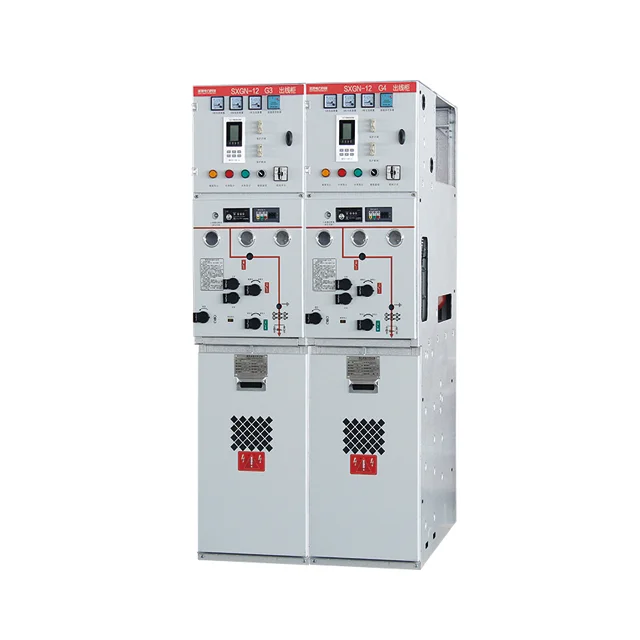
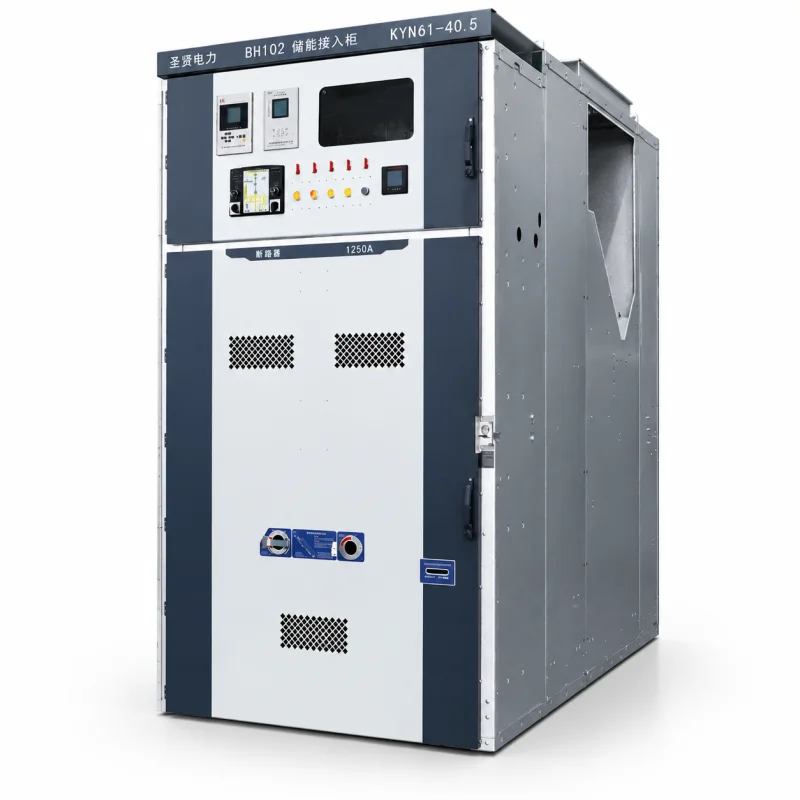
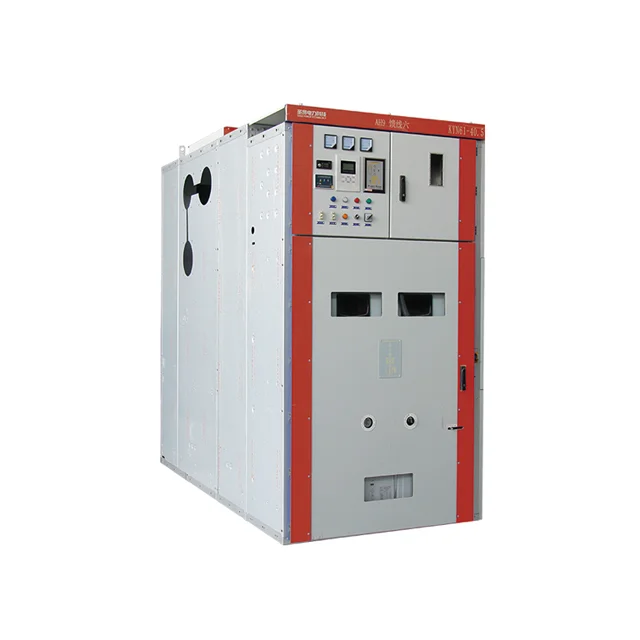
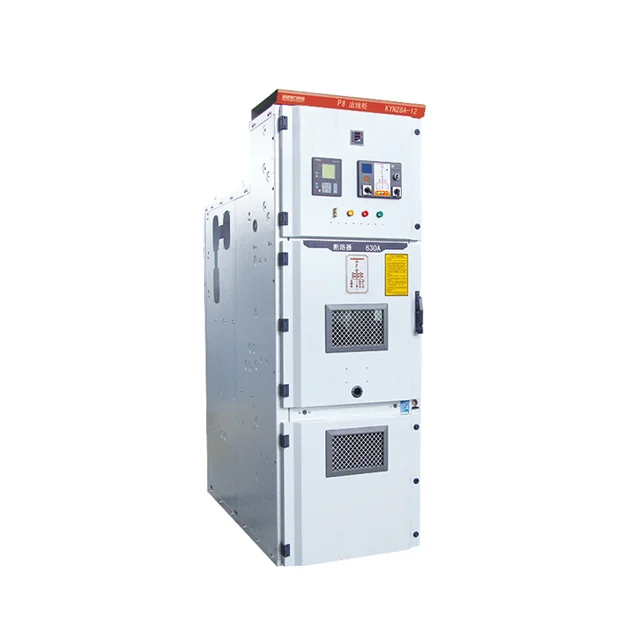
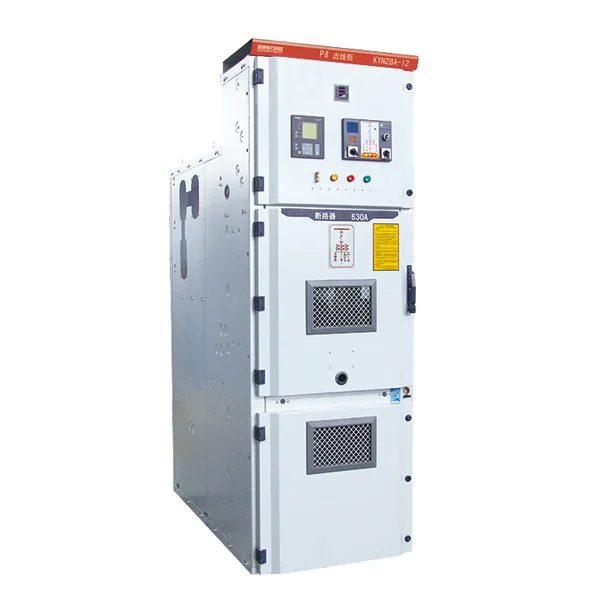
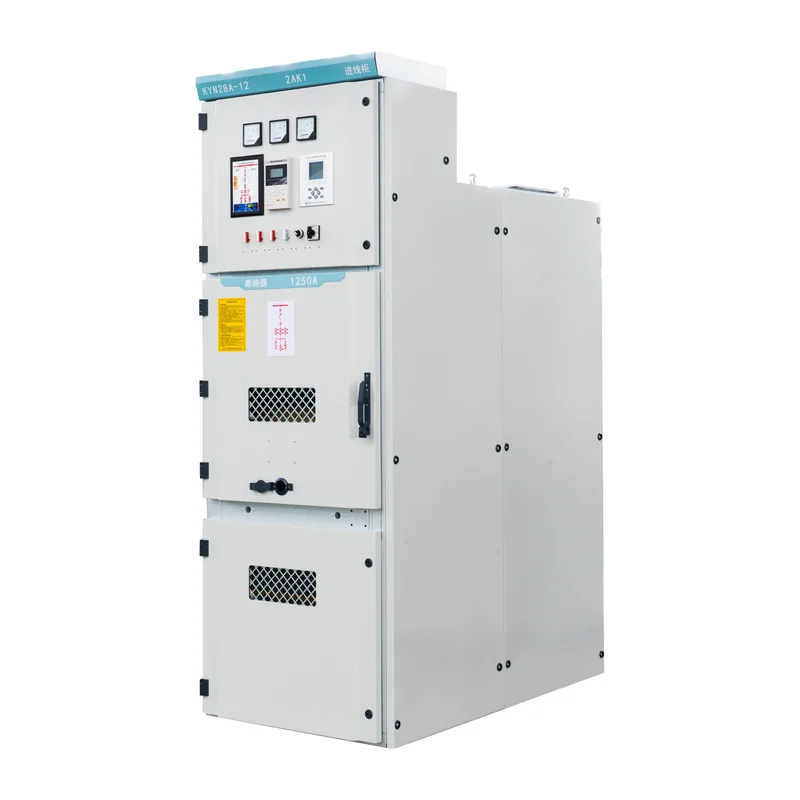
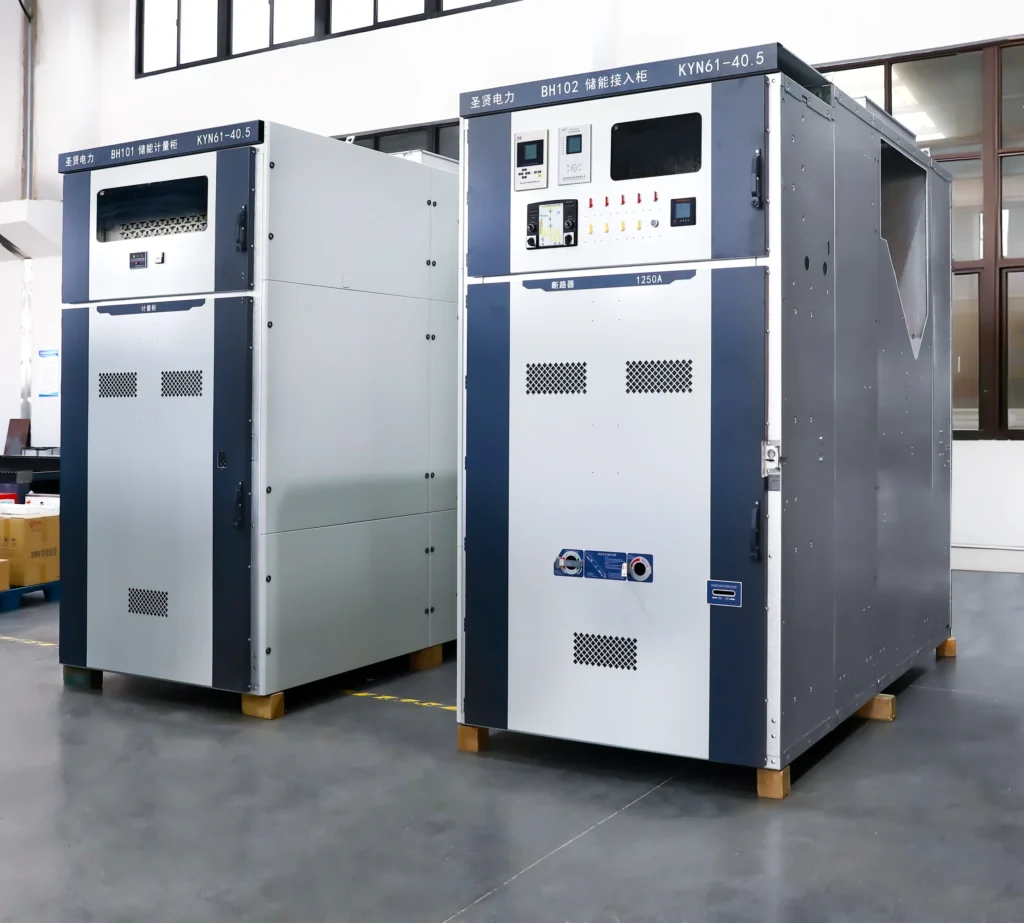
| Metal-clad withdrawable (KYN28-12, KYN61-40.5) | Breaker truck rolls out for service, fast replacement, clear isolating position | Main substations, plants with high availability needs |
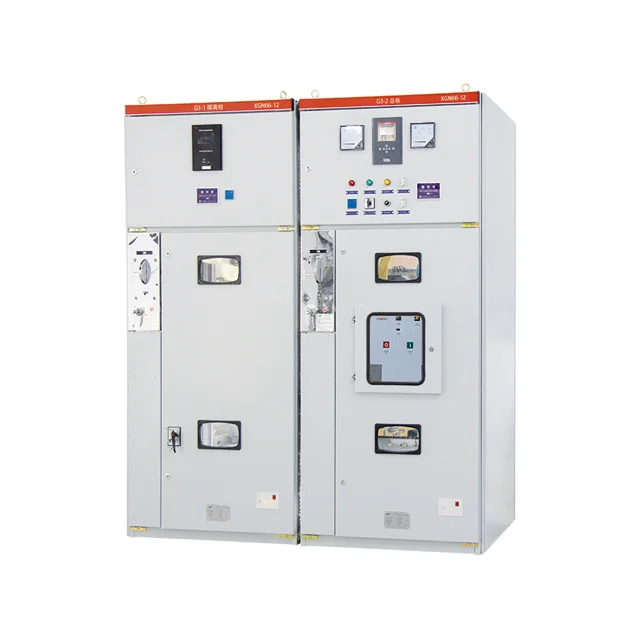
| Fixed box-type (XGN, HXGN) | Lower cost, compact, fewer moving parts | Secondary distribution, small substations |
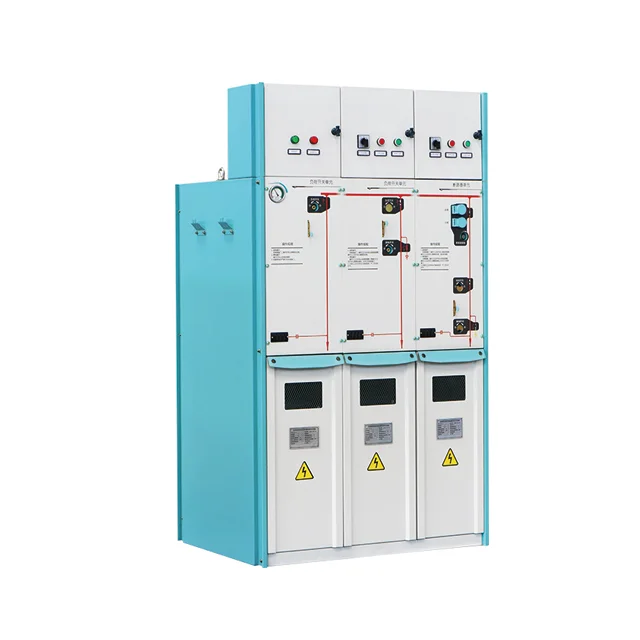
| Solid-insulated sealed | No gas, compact, indoor or outdoor enclosure | Space-limited and public-sensitive sites |
Withdrawable gear costs more but shortens maintenance downtime, which matters where the feeder cannot be out for long. Fixed gear is a good fit for smaller ratings and simpler networks.
3. Confirm the interlock and earthing scheme
The standard five-point interlock prevents the breaker from being moved with the breaker closed, the breaker from closing with the truck in an intermediate position, the earthing switch from closing with the breaker closed, the breaker from closing with the earthing switch closed, and the door from opening with the breaker in service. Confirm the earthing switch rating, the live-line indication and whether the cable compartment needs a separate earth point.
4. Specify protection, metering and control
State the relay type, the CT and VT ratios and the accuracy class, and whether the protection is local or connected to a substation automation system. Confirm the protocol, the trip circuit supervision, the DC supply and the space for test terminals. Good secondary design is what makes a cabinet easy to commission and safe to maintain.
5. Check the room, cable entry and ventilation
Confirm the cable or busbar entry, the trench dimensions, the front and rear clearance and the room ventilation. Withdrawable trucks need space in front for the service trolley. Where the room is small or the atmosphere is humid, add heaters and confirm the IP rating of the cabinet and the cable compartment.
6. RFQ checklist
- System voltage, busbar current and fault level
- Withdrawable, fixed or solid-insulated construction
- Incoming, outgoing and busbar riser arrangement
- Breaker rating, CT/VT ratios and relay type
- Interlock and earthing switch requirements
- Cable entry, room dimensions and IP rating
- Quantity, destination and delivery date
Send the single-line diagram and the room layout and the cabinet arrangement can be confirmed in one round.