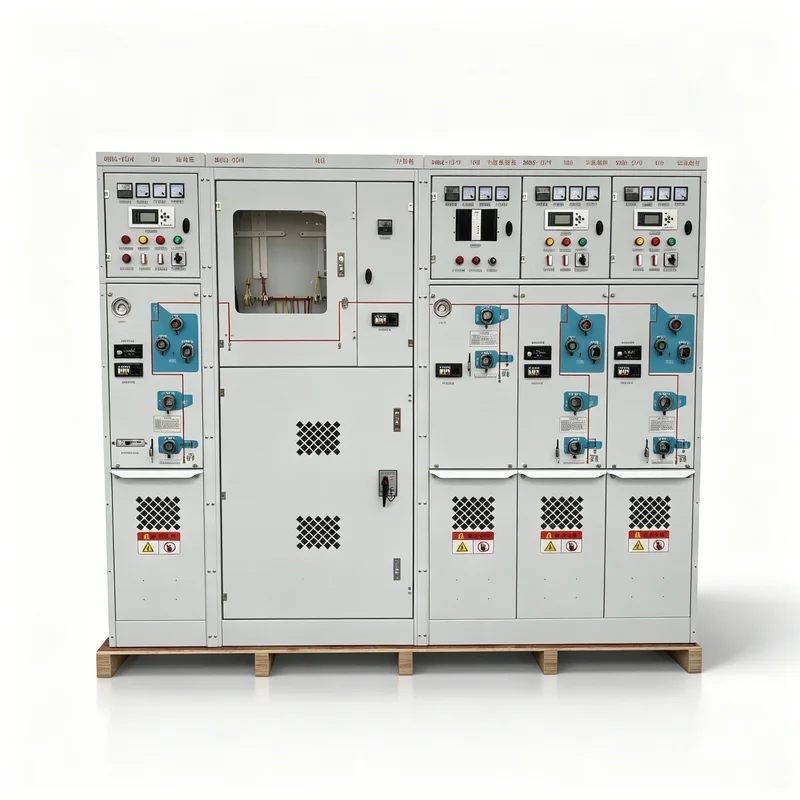
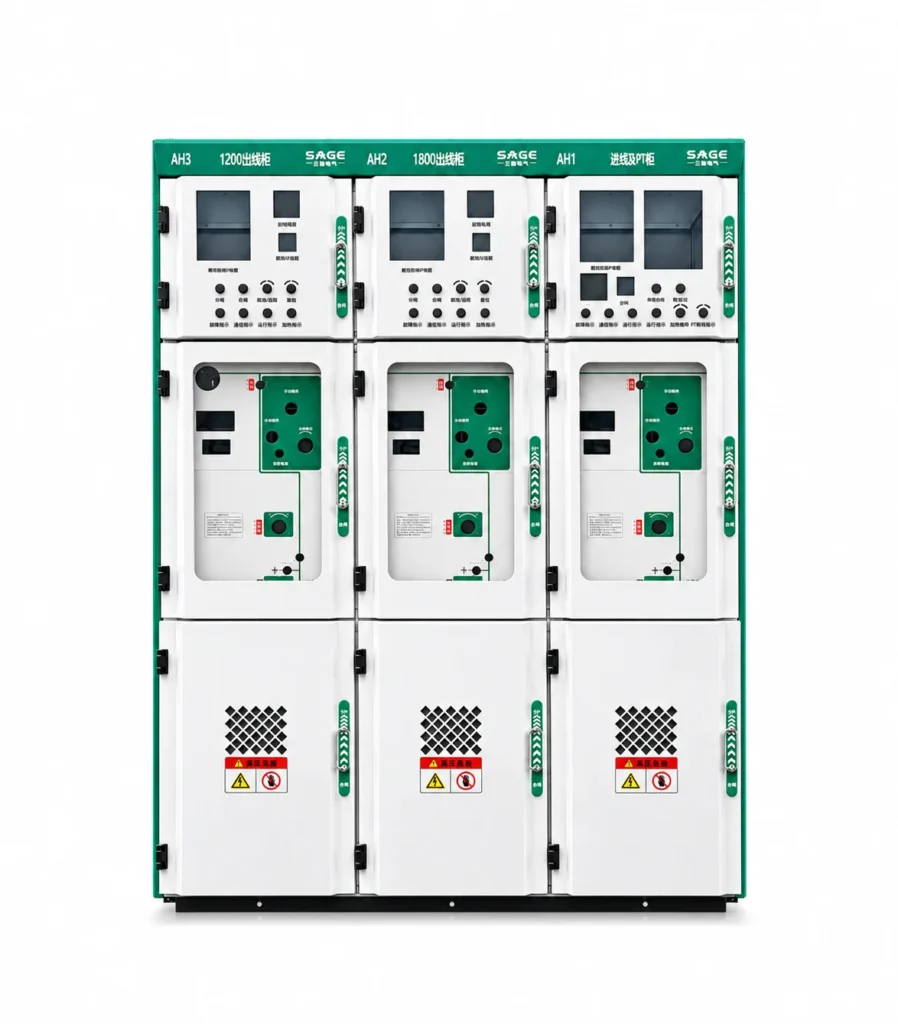
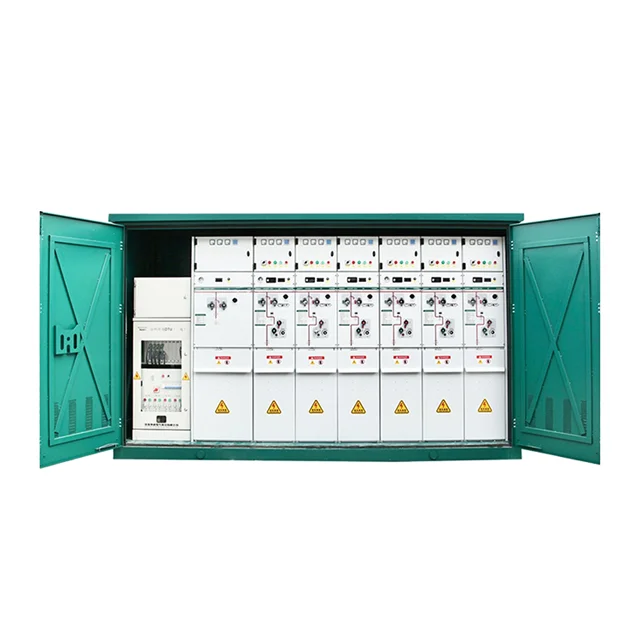
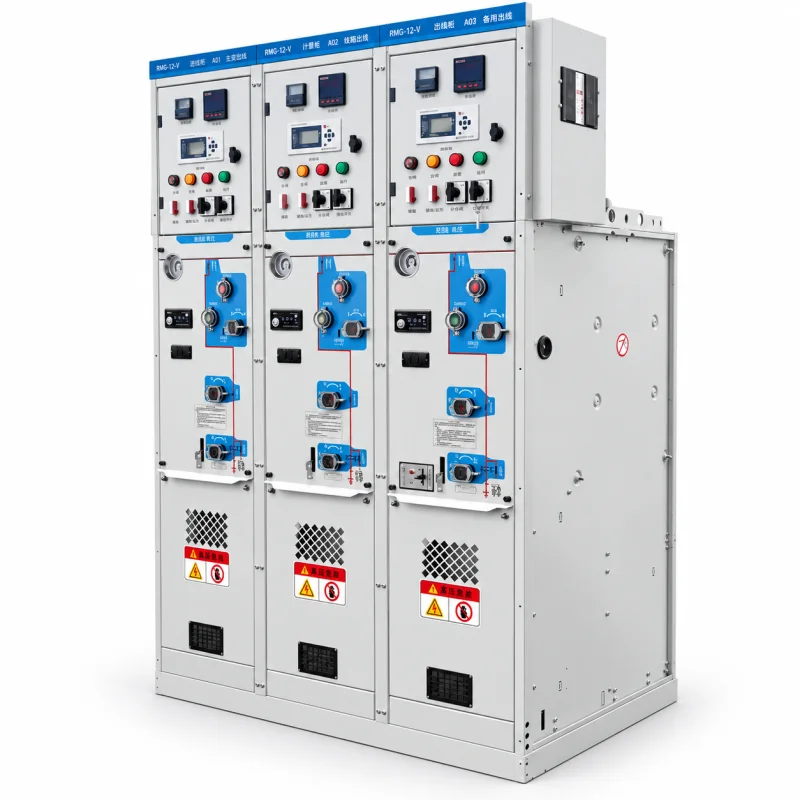
Gas-Insulated RMU Buying Guide | Modules, Gas and Automation
1. Map the ring and the transformer tee-off
Draw the ring first: how many incoming and outgoing cables, how many transformers are teed off, and which points need earthing. The module count follows this map, not a catalogue page. Confirm the rated current of the ring, the transformer capacity and the fault level at the point of installation, because these set the busbar, the switch and the fuse rating.
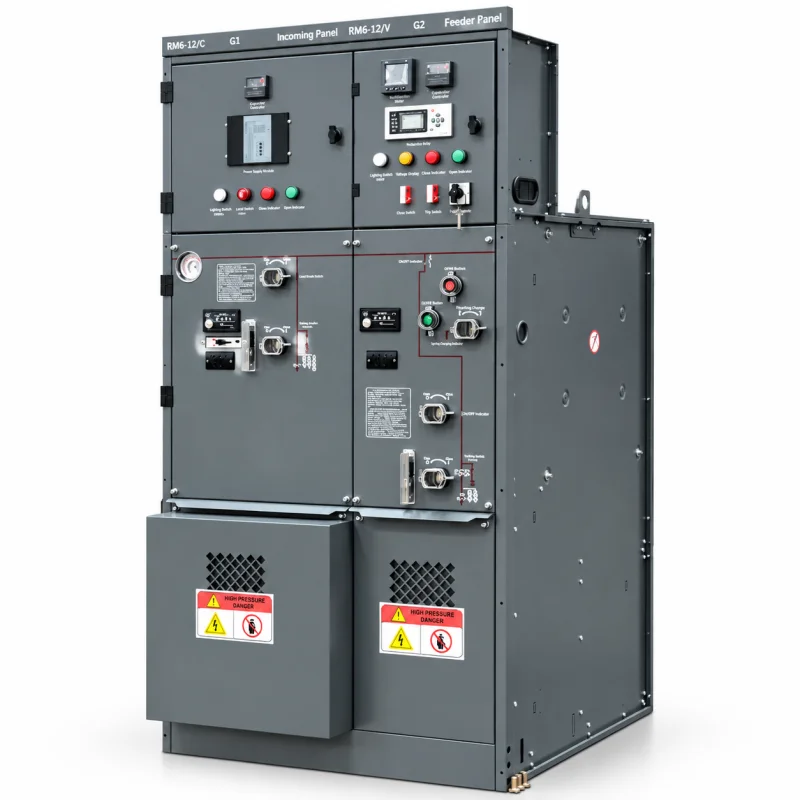
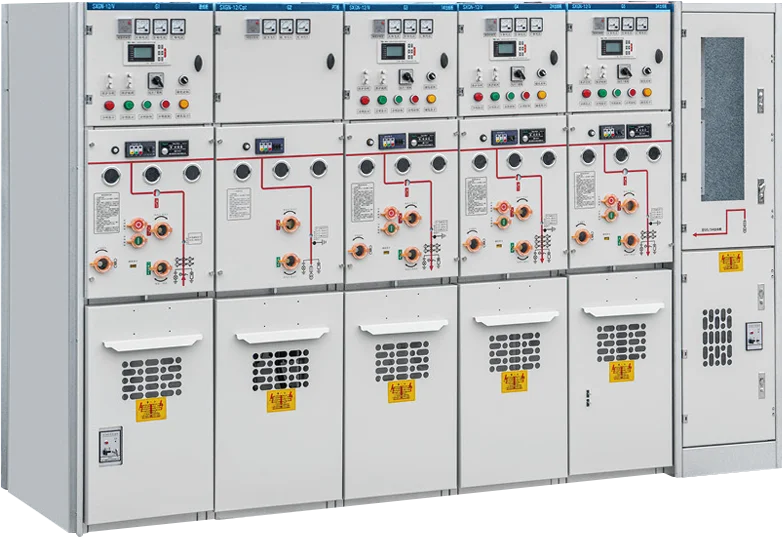
2. Choose C, F and V modules
| Module | Function | Typical position |
|---|---|---|
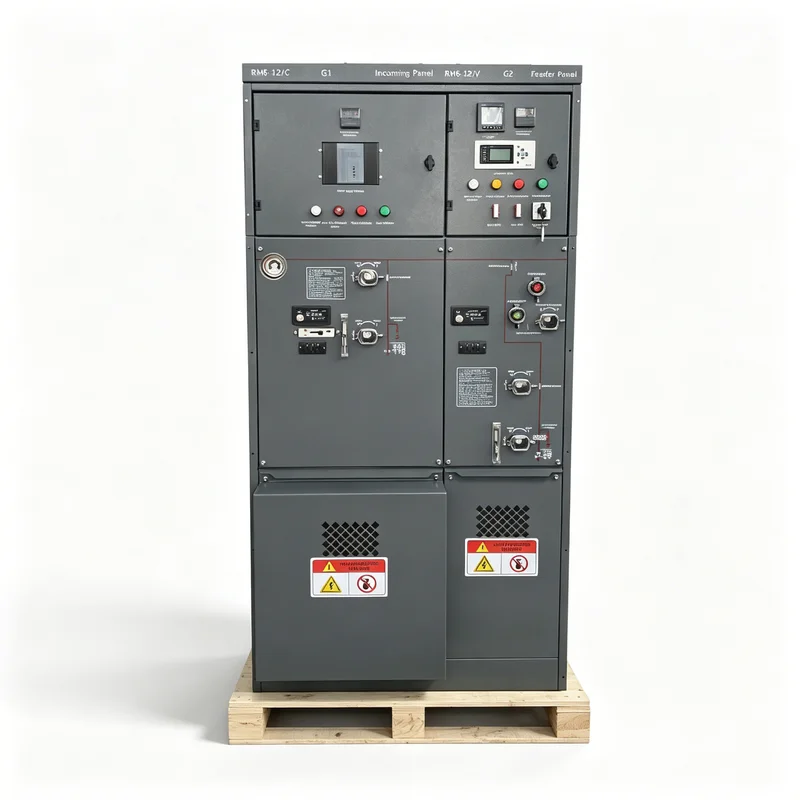
| C | Load break switch with earthing switch | Ring incoming and outgoing cables |
| F | Load break switch with fuse for transformer protection | Transformer tee-off up to about 1250kVA |
| V | Vacuum circuit breaker with relay | Larger transformers, outgoing feeders, protection settings |
Most rings use C modules on the ring cables and F or V on the transformer tee-offs. Use V where the transformer exceeds the practical fuse range or where the protection study needs adjustable curves.
3. Decide SF6 or SF6-free insulation
SF6 units are compact, proven and widely accepted. SF6-free units use dry air, nitrogen or solid insulation and avoid the gas that some utilities and building standards now restrict. The SF6-free design is usually larger and sometimes more expensive, so confirm the customer specification and the local rules before choosing.
4. Specify operation, automation and remote control
Manual operation is the baseline. Motorised spring or magnetic actuators, auxiliary contacts, fault passage indicators and a remote terminal unit allow SCADA control and fault location. Confirm the protocol, the RTU power supply, the battery backup and the cabinet for secondary equipment, and check whether the utility requires a specific automation standard.
5. Confirm gas data, tests and documentation
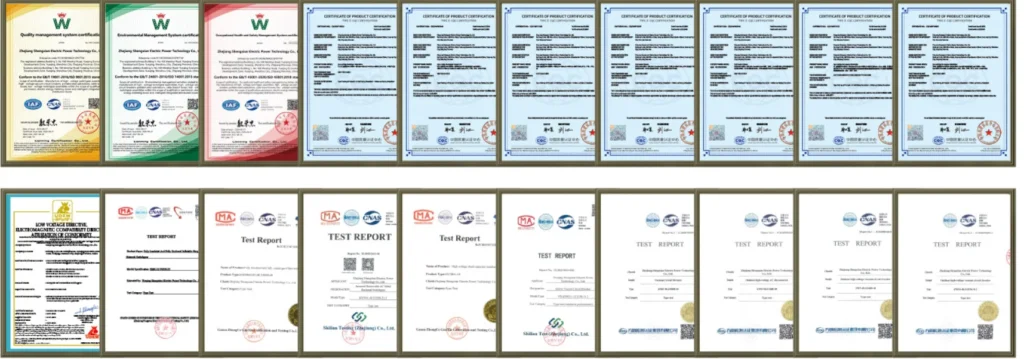
The nameplate should state the gas type, the filling pressure, the minimum operating pressure and the leakage rate. Routine tests cover power frequency withstand, main circuit resistance, mechanical operation and gas tightness. Ask for the gas-fill record, the test report and the tank certificate, and confirm the gas handling plan for installation and end of life.
6. RFQ checklist
- System voltage, ring current and fault level
- Number and type of C, F and V modules
- Transformer capacity on each tee-off
- SF6 or SF6-free insulation
- Manual or motorised operation, SCADA requirements
- Metering, PT and secondary equipment
- Quantity, destination and delivery date
With the ring diagram and these inputs, the module layout and gas data can be confirmed in one round.