Substation Buying Guide | Layout, Ratings and Site Conditions
1. Define the station duty and capacity
Confirm the purpose of the station: utility distribution, industrial supply, renewable step-up or temporary power. Then fix:
- High-voltage system voltage: 10kV, 12kV, 24kV or 35kV
- Low-voltage output: 400V, 415V, 480V or 690V
- Transformer capacity from 50kVA to 2500kVA
- Number of HV incoming and outgoing circuits
- Number and rating of LV feeders
2. Choose the substation type
| Type | Typical use | Key considerations |
|---|---|---|
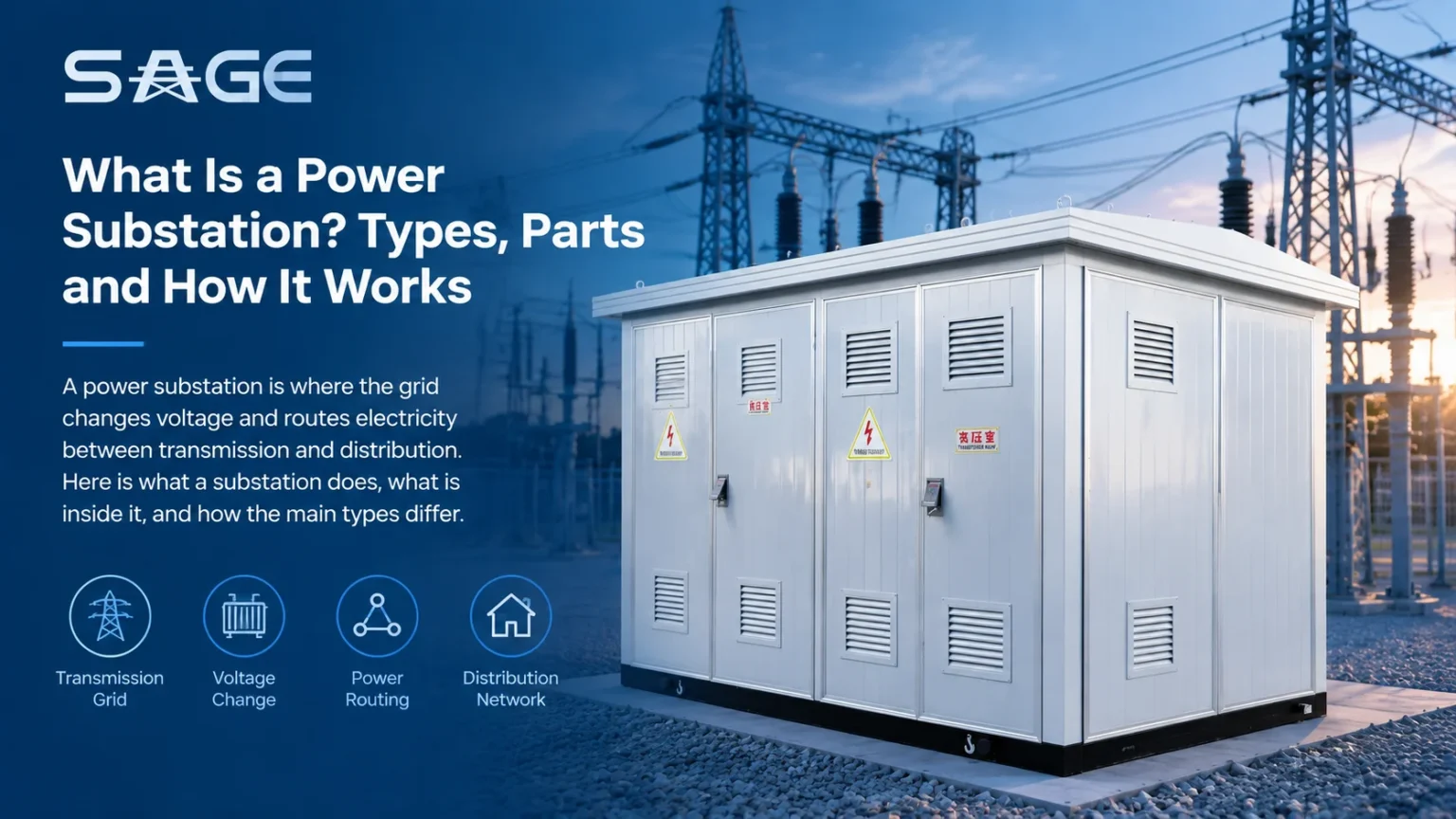
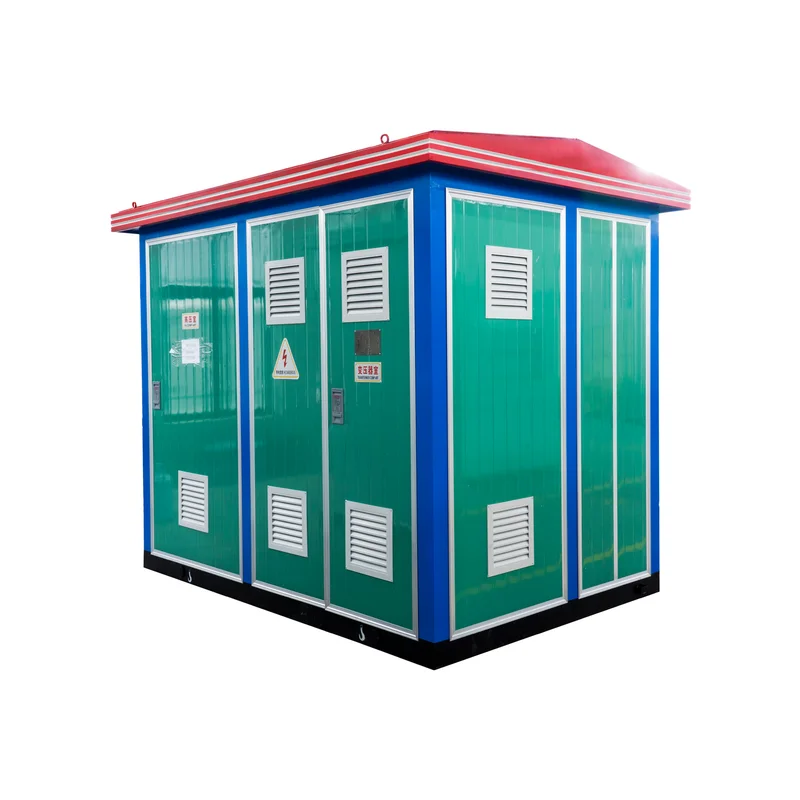
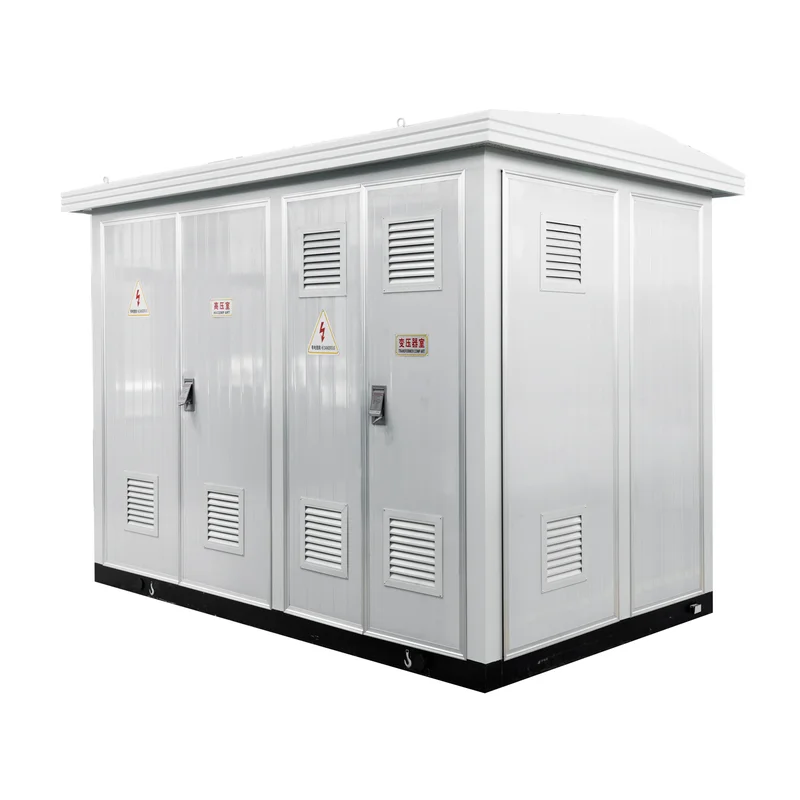
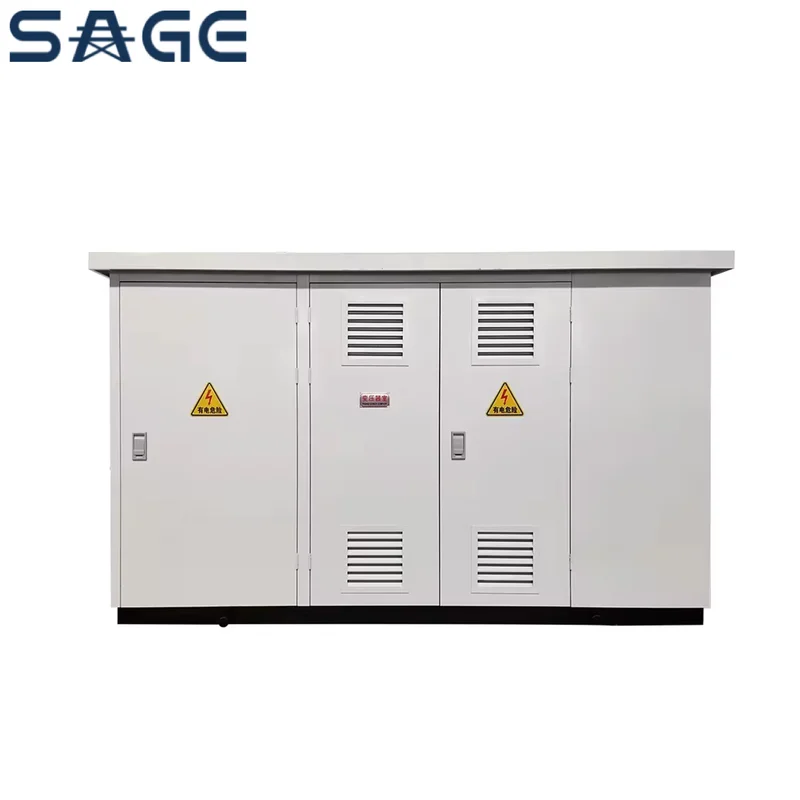
| European-style prefabricated | Outdoor distribution, campuses, industrial parks | Double-layer shell, walk-in access, HV / transformer / LV compartments |
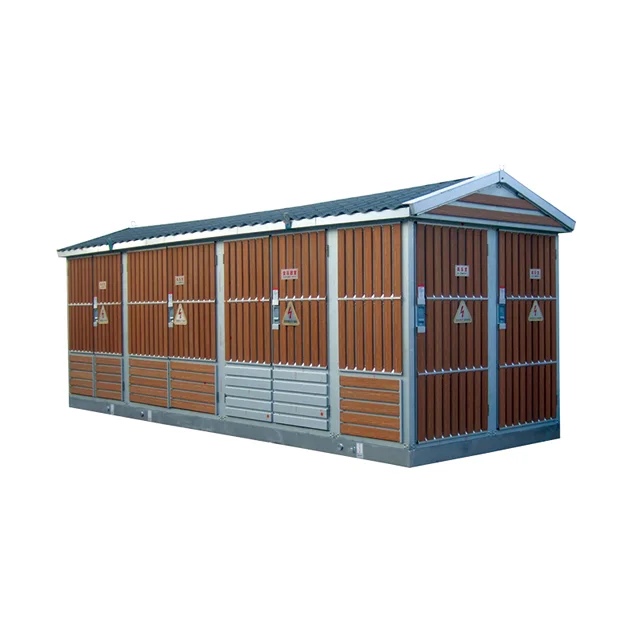
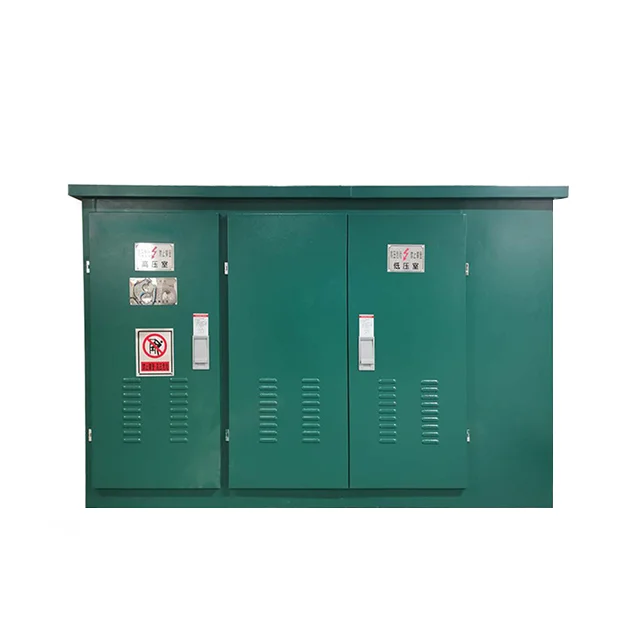
| American-style box substation | Residential, commercial, small industrial | Compact galvanised enclosure, oil-immersed transformer, low maintenance |
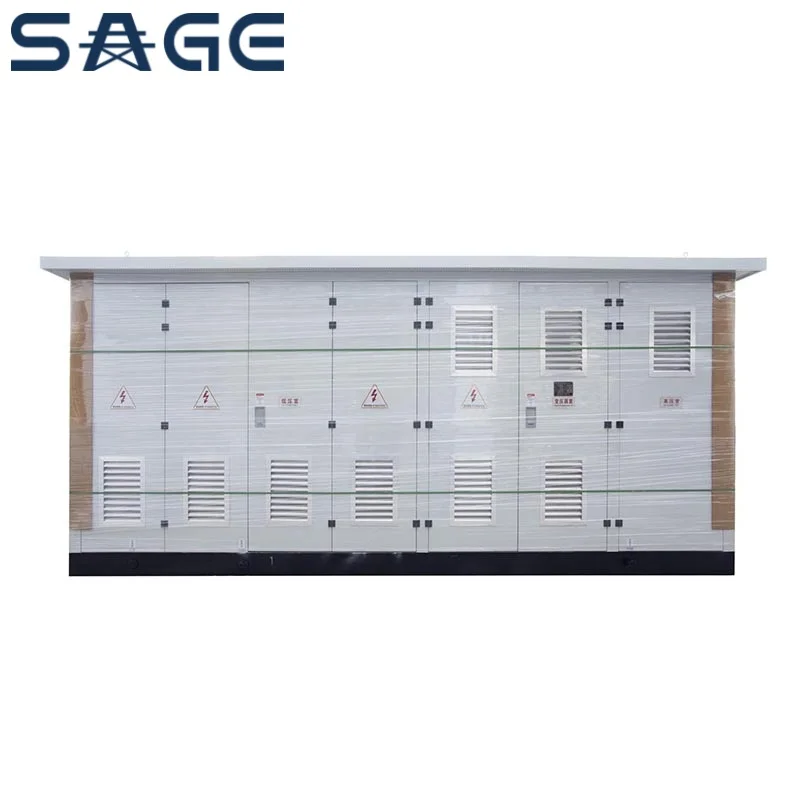
| Compact package substation | Space-limited sites | 50kVA to 2500kVA, IP54 or IP55, single or double row layout |
| Intelligent SCADA substation | Automated networks and critical loads | Remote monitoring, up to 60% less space, pre-wired and pre-tested |
Choose a walk-in European-style unit when maintenance access and larger transformer ratings matter. Choose a compact or American-style unit when footprint and cost dominate and the transformer is smaller.
3. Confirm the transformer and protection scheme
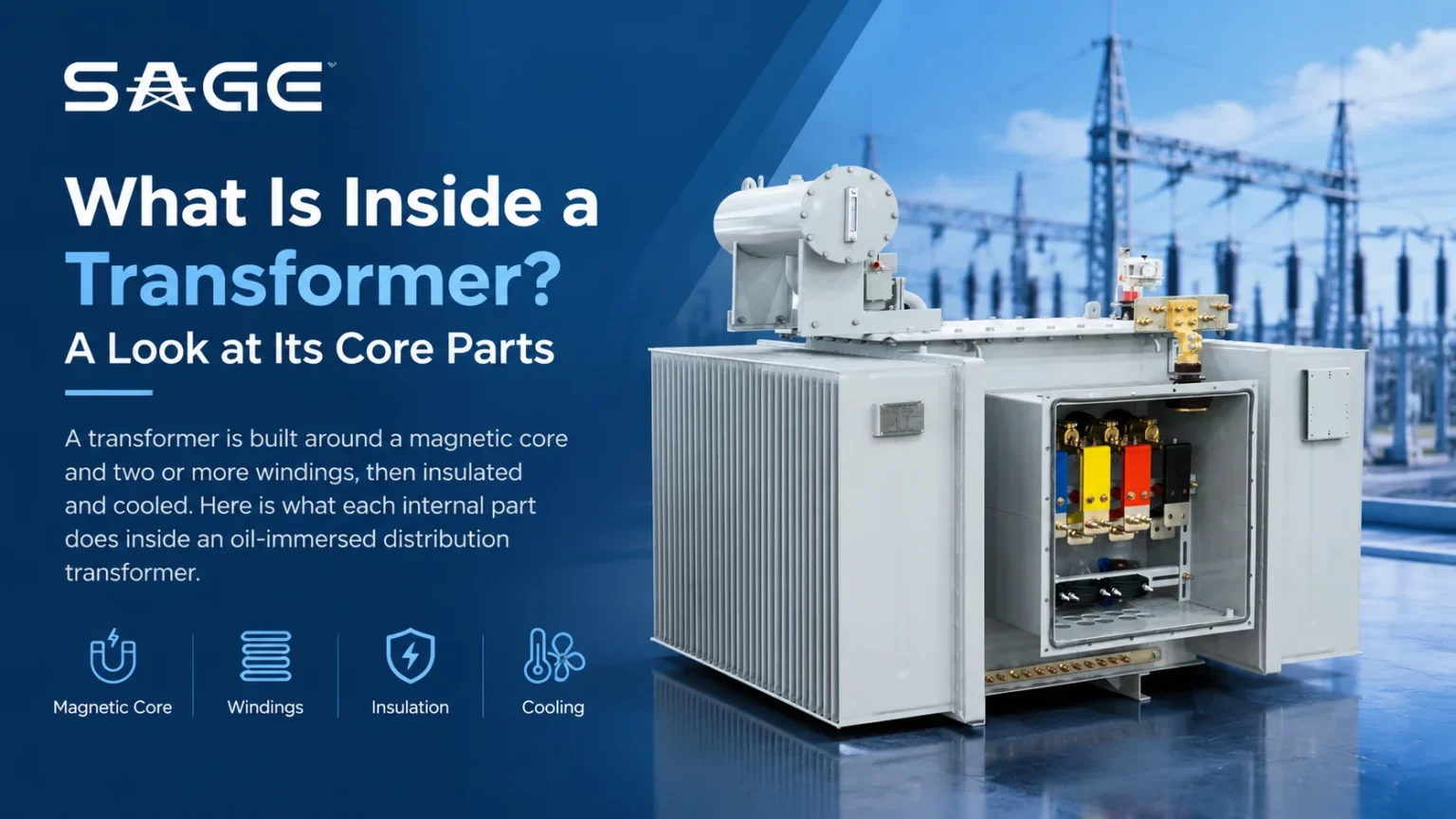
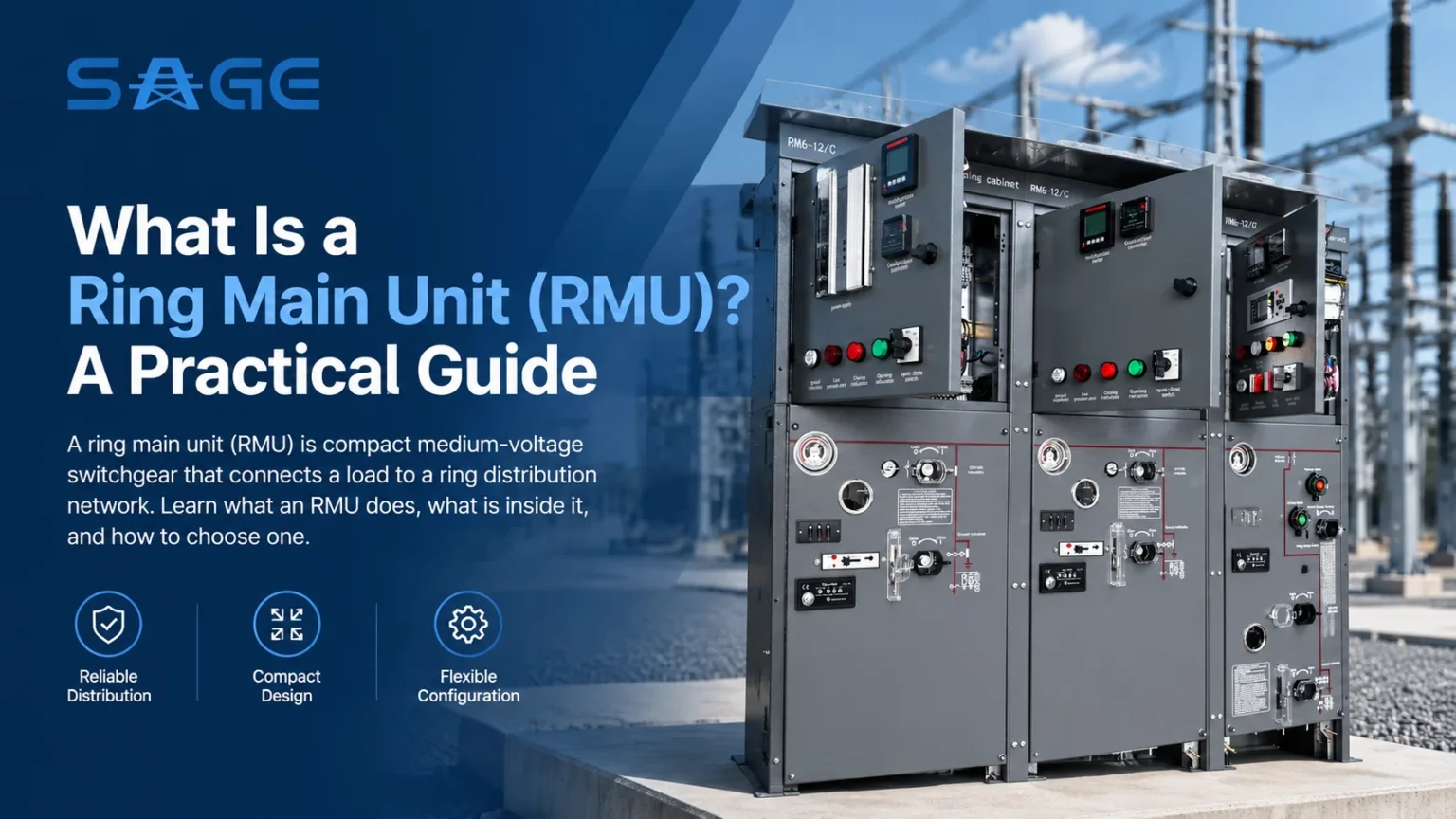
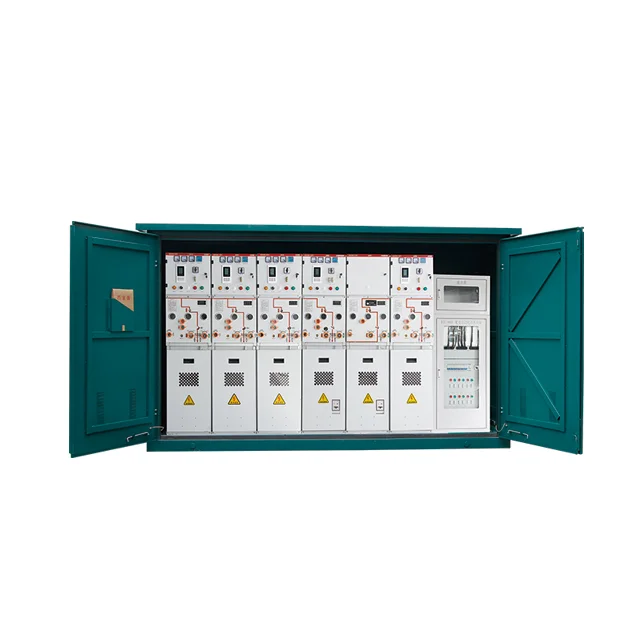
Decide between oil-immersed and dry-type transformers, then confirm the loss targets, impedance and vector group. State the HV protection: fuse-switch, vacuum breaker or RMU with relay. Confirm the LV main breaker rating, the number of outgoing ways and whether automatic transfer switching, metering or power monitoring is required.
4. Match the enclosure to the site
Confirm ambient temperature, humidity, altitude, wind, snow and seismic load, plus the required IP rating and corrosion class. Coastal and chemical sites need a higher-grade coating or stainless steel. Check the foundation, cable trench, earthing grid and access requirements, and confirm whether the unit must be lifted by crane or moved on rollers.
5. Plan the factory assembly and test scope
Factory assembly reduces site work, but the interface scope must be clear: who supplies the foundation, cable glands, external cabling, earthing connection and commissioning. Confirm that the unit is routine tested as a complete assembly, including insulation, wiring, interlocking and functional operation of the control system.
6. Confirm standards and documentation
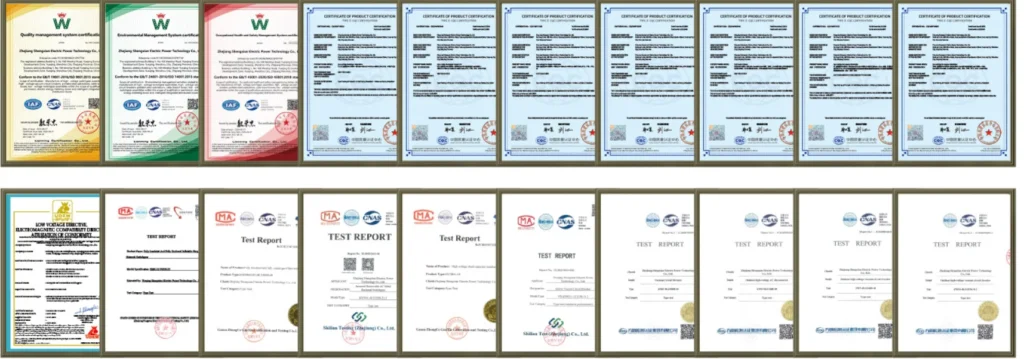
Our substations are designed and tested to IEC 62271, IEC 60076, IEC 60439 and GB/T 17467, with ISO 9001, ISO 14001 and ISO 45001 management systems. Documentation should include the general arrangement, single-line diagram, foundation plan, cable schedule, test report and commissioning checklist.
7. RFQ checklist
- Station purpose and required capacity
- HV and LV voltages, frequency and transformer rating
- HV circuit count and protection type
- LV feeder count and main breaker rating
- Enclosure type, IP rating and ambient conditions
- Automation, metering and communication requirements
- Foundation, cable entry and lifting arrangements
- Standards, inspection scope, quantity and delivery date