Low-Voltage Switchgear Buying Guide | Frames, Ratings and Protection
1. Define the load schedule and short-circuit level
Prepare the load schedule with connected and demand kVA per feeder, then confirm:
- Rated voltage and frequency: 380V, 400V, 415V, 480V or 690V
- Main busbar rated current and short-time withstand current
- Number of incoming, outgoing, tie and capacitor circuits
- Neutral and earth bar arrangement, including PEN or separate PE
- Required breaking capacity of the main and feeder devices
The busbar short-circuit rating and the device breaking capacity must both exceed the calculated fault level at the installation point. Specifying only the current rating is not enough.
2. Choose fixed, drawout or modular construction
| Type | Typical use | Key considerations |
|---|---|---|
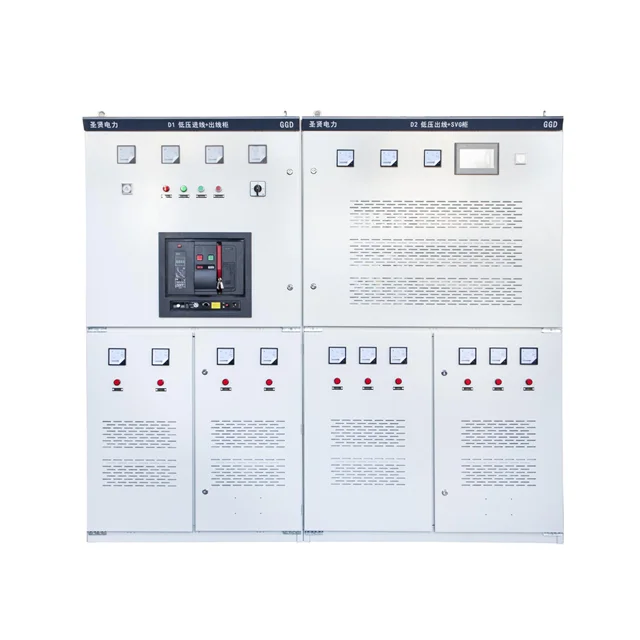
| GGD fixed cabinet | Distribution boards, small substations, motor control | Simple structure, lower cost, flexible feeder layout, up to 2500A |
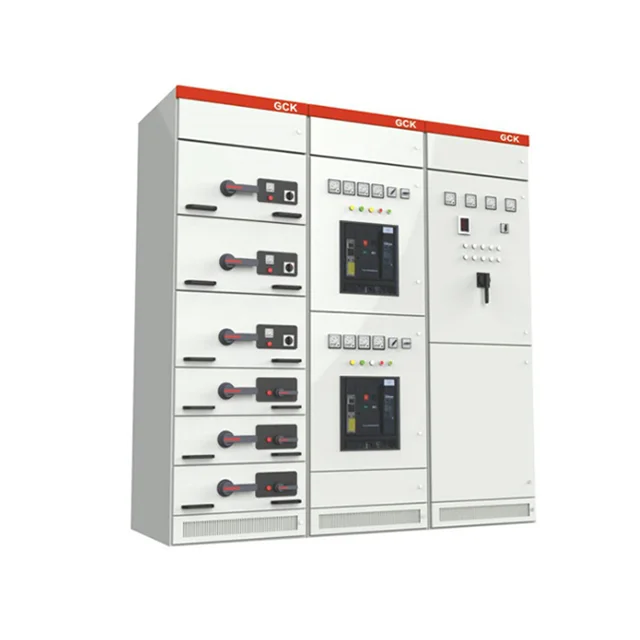
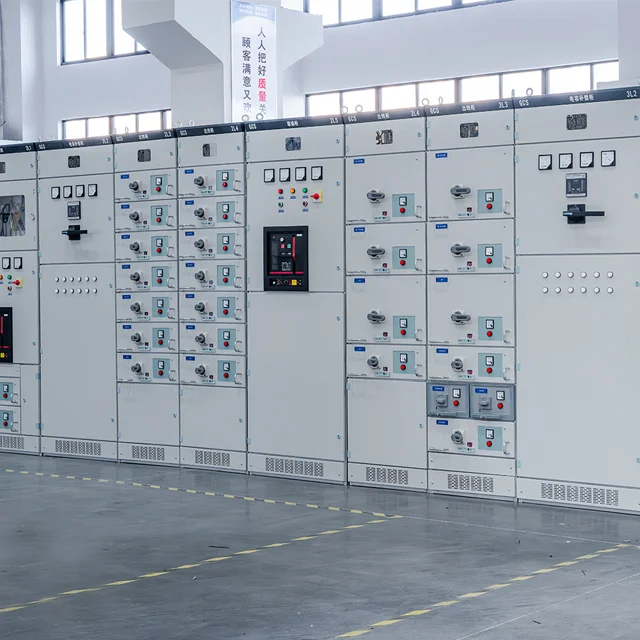
| GSC / GCS drawout cabinet | Main distribution needing fast changeover | Withdrawable units, high breaking capacity, compact per-circuit footprint |
| 8MF modular frame | Custom panels and retrofit work | 20mm mounting holes, modular assembly, IP20 to IP40 |
| GGJ compensation cabinet | Power factor correction | Modular 5kvar to 30kvar steps, target factor above 0.95 |
Choose drawout construction when a faulty unit must be replaced without shutting down the section. Choose fixed construction when first cost and simple maintenance dominate and the load can be switched off for service.
3. Specify devices, metering and control
State the breaker brands or acceptable equivalents, trip units, metering class, current transformer ratios and the control voltage for indication and interlocks. Confirm whether surge protection, residual current protection, automatic transfer switching or power monitoring meters are required. For motor feeders, give the starter type and coordination table so contactors and fuses match.
4. Confirm busbar, cable entry and enclosure details
Specify busbar material and current density, whether busbars are tinned, and the short-circuit withstand time. Confirm top or bottom cable entry, cable gland plate size, whether the neutral is full or half rated, and the required IP rating. Indoor cabinets usually need IP30 to IP41; dusty or humid rooms need higher protection and anti-condensation heaters.
5. Plan heat, harmonics and compensation
Low-voltage rooms often run warm because of cable density and harmonic load. Check ventilation or forced cooling, and confirm the permissible temperature rise. Where variable-speed drives dominate, specify detuned reactors in the compensation cabinet and confirm that the capacitor voltage rating suits the harmonic level.
6. Confirm standards, tests and documentation
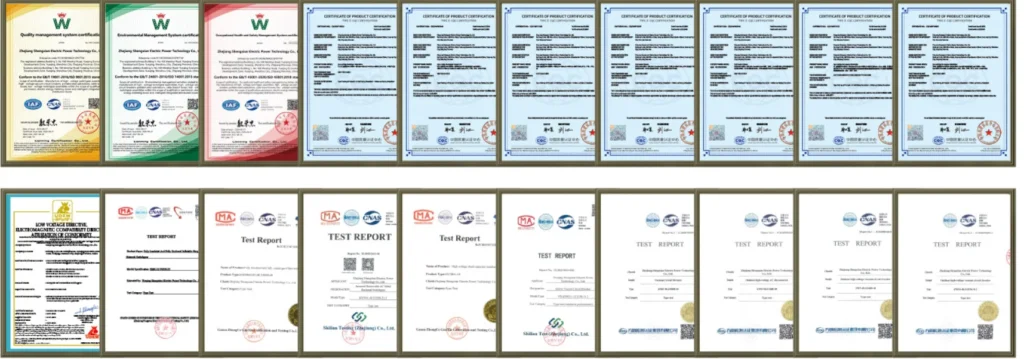
Our cabinets are designed and tested to IEC 439 and GB 7251.1. Routine checks cover insulation resistance, dielectric withstand, protective earthing continuity, mechanical operation of drawout units and wiring correctness. Documentation should include the general arrangement drawing, schematic, terminal list and routine test report. State if a third-party witness test or CCC scope is required.
7. RFQ checklist
- Single-line diagram and load schedule
- Voltage, frequency, busbar current and fault level
- Fixed, drawout or modular construction
- Device brands, breaking capacity and trip units
- Metering, control voltage and automation requirements
- Cable entry, IP rating and ambient conditions
- Compensation or harmonic filtering needs
- Quantity, destination port and required delivery date