Solar and Wind Transformer Buying Guide | Voltage, Duty and Grid Code
1. Match the transformer to the generation source
A utility PV plant, a wind farm and a rooftop commercial system impose different duties. PV inverters feed a fairly steady current with some harmonic content; wind turbines produce variable output and higher short-circuit contribution. State the source type, the inverter or turbine model and the expected loading curve so the transformer design matches the real duty.
| Application | Typical unit | Key requirement |
|---|---|---|
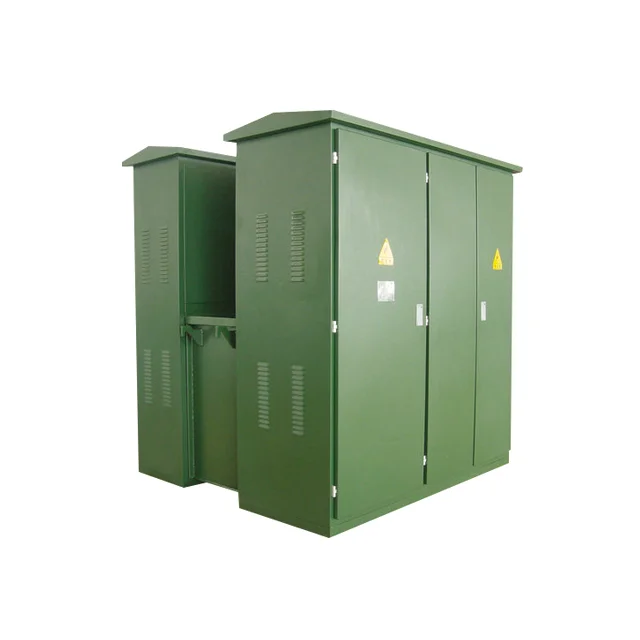
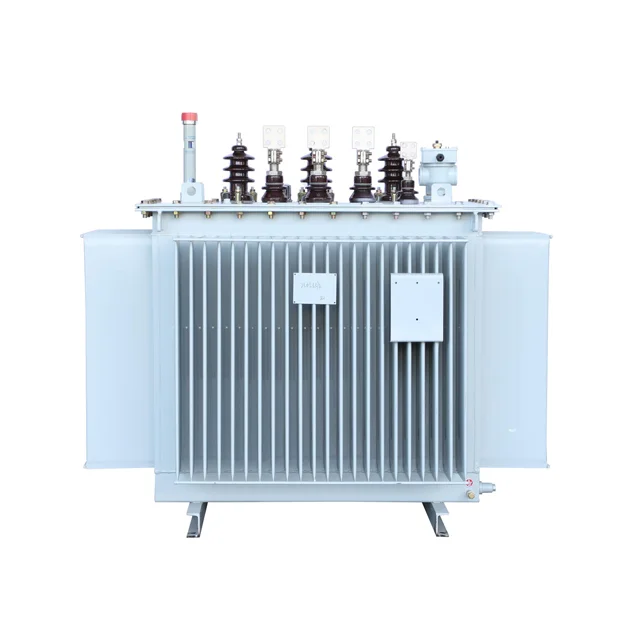
| Utility PV, central inverter | Pad-mounted step-up, 0.4/35kV or 0.8/35kV | Outdoor sealed tank, low no-load loss, inverter harmonics |
| Wind turbine | Compact step-up, 0.69/35kV | High short-circuit strength, vibration and outdoor duty |
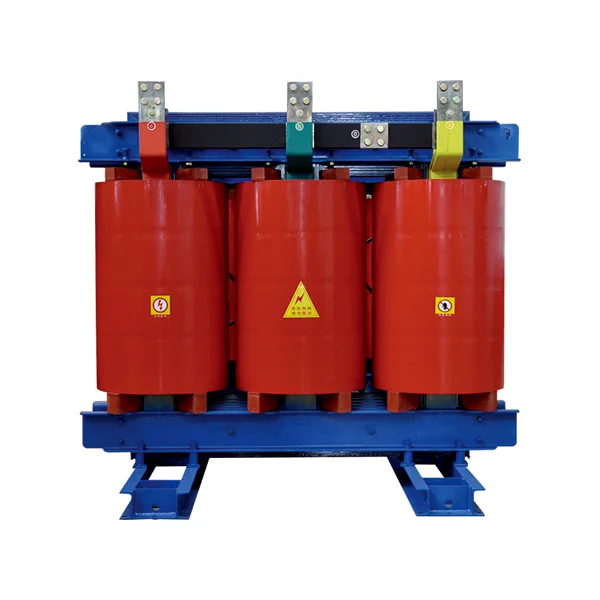
| Commercial rooftop | Dry-type, 0.4/10kV | Indoor installation, fire safety, low partial discharge |
2. Fix the voltage ratio for the collector system
Confirm the inverter output voltage, the collector system voltage and the grid voltage. Common collector levels are 10kV, 20kV, 35kV and 38.5kV, and the tap range must cover the voltage band at the point of connection. Do not size the transformer from the array nameplate alone: check the inverter AC output and the planned DC/AC ratio.
3. Confirm the vector group and grounding
The vector group and neutral treatment must match the grid code and the protection study. Dyn11 is common, but some utilities require YNd11 or a specific neutral arrangement on the HV side. Confirm how the LV neutral is earthed and whether a zig-zag or grounding transformer is needed elsewhere in the collector system.
4. Check the outdoor enclosure and site conditions
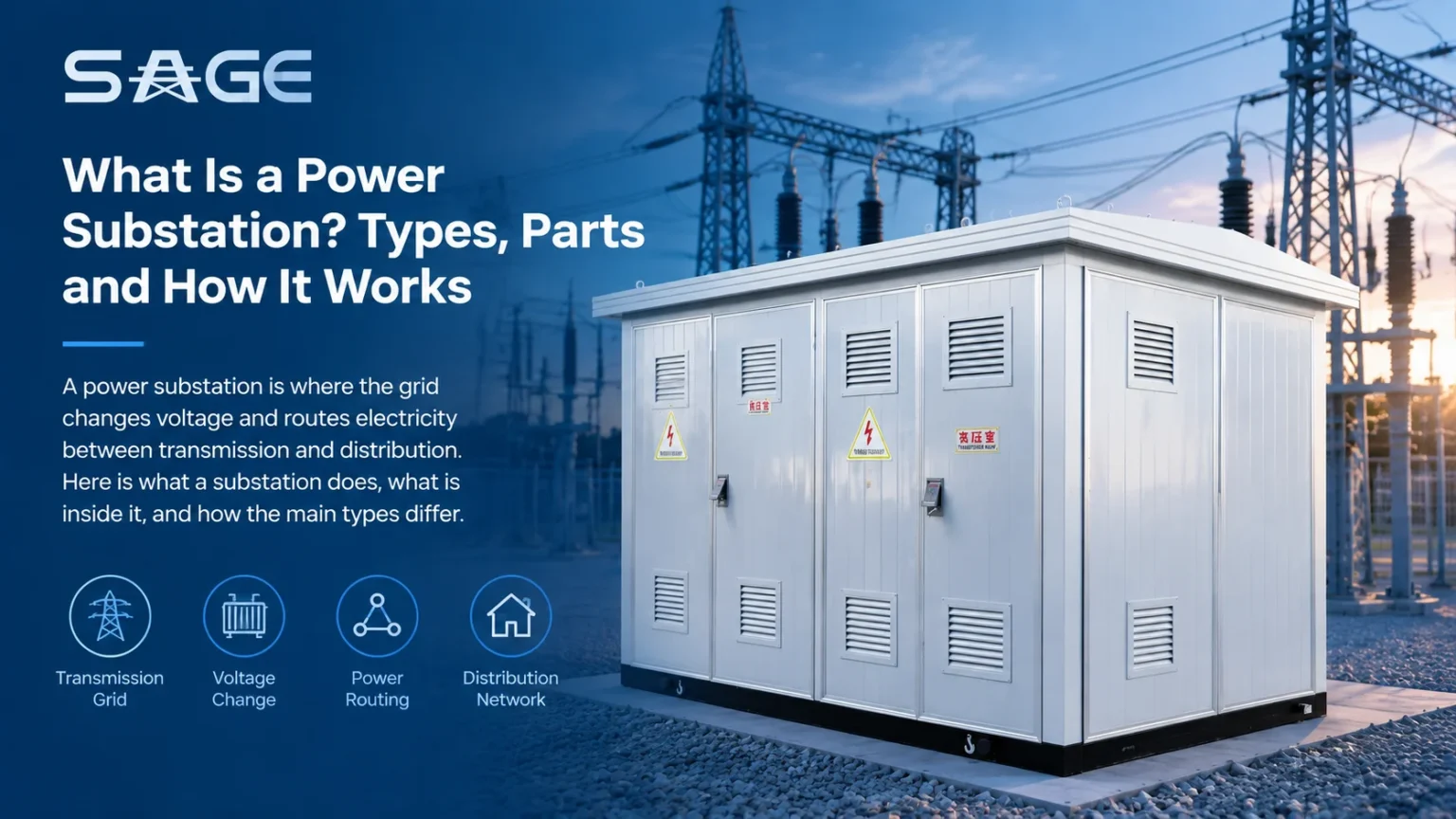
Pad-mounted units need a locked, weatherproof enclosure, a concrete pad, cable or busbar entry and clear working space for operation. Confirm the ambient temperature range, the pollution level, the altitude and whether sand, salt or humidity requires a higher corrosion class. For rooftop or container installations, choose a dry-type unit instead.
5. Verify losses, tests and grid-connection documents
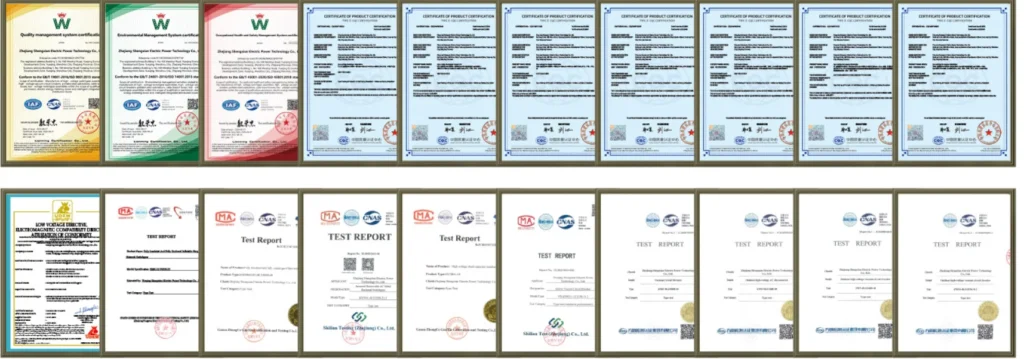
Losses matter over a 25-year project, so ask for guaranteed no-load and load loss and calculate the capitalized cost at your energy price. Routine tests follow IEC 60076; grid operators often ask for the routine test report, the loss data, the outline drawing and the nameplate details. Confirm the document package before the first unit is built.
6. RFQ checklist
- Source type, inverter or turbine model and AC output
- LV and HV voltage, frequency and tap range
- Vector group, impedance and neutral arrangement
- Indoor or outdoor installation, ambient and pollution level
- Loss targets and efficiency class
- Standards, test reports and grid-connection documents
- Quantity, delivery schedule and destination port
With these inputs we can confirm the design, the loss guarantee and the delivery plan in one round.