High-Voltage Component Buying Guide | Matching Ratings and Interfaces
1. Start from the system, not the component
List the rated voltage, frequency, rated current, short-time withstand current and peak withstand current of the system the component will protect. A component rated for the busbar fault level may still be wrong for the feeder if the breaking capacity or the making capacity is lower than the calculated value.
2. Match the interface before matching the brand
- Panel or pole mounting dimensions and fixing hole pattern
- Main circuit terminal type, spacing and cable or busbar connection
- Operating mechanism type, control voltage and auxiliary contacts
- Interlock points required by the cabinet design
- Whether a visible break point is required
A breaker with the right rating but the wrong truck or terminal geometry causes cabinet redesign, not a simple substitution.
3. Choose the interrupting technology for the duty
| Component | Typical duty | Selection notes |
|---|---|---|
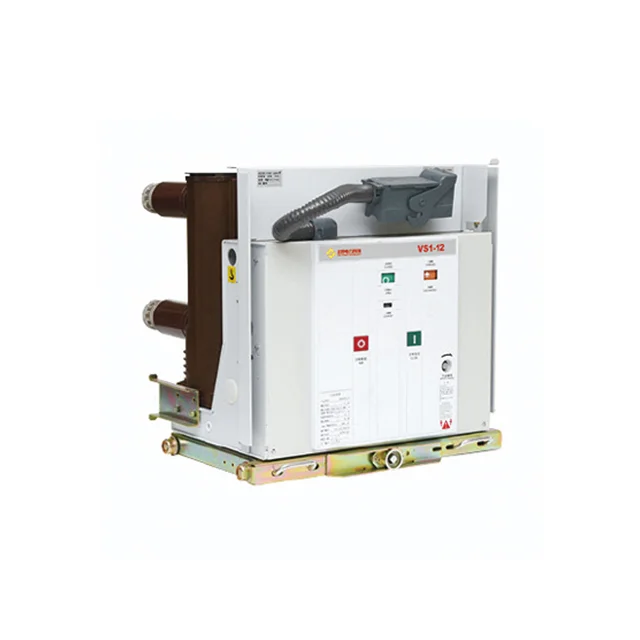
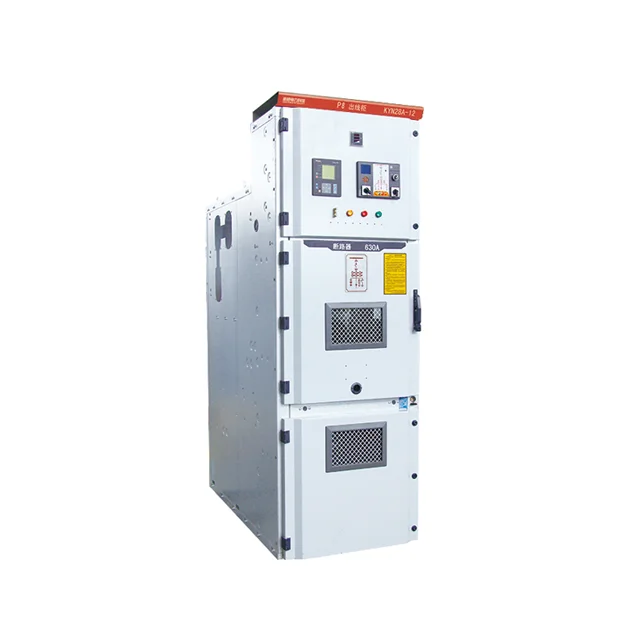
| Indoor vacuum circuit breaker | Feeder and incoming switching in metal-clad cabinets | Fixed or withdrawable, spring or permanent magnet mechanism, high operation count |
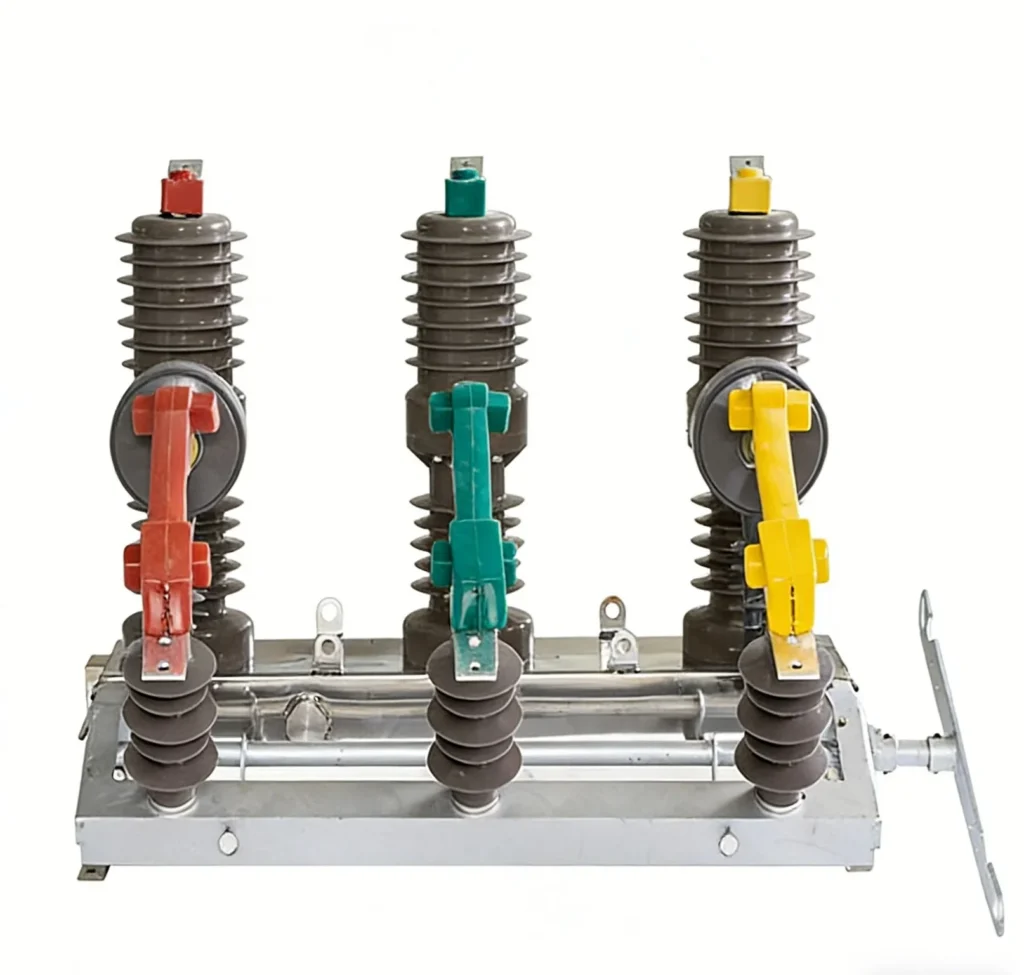
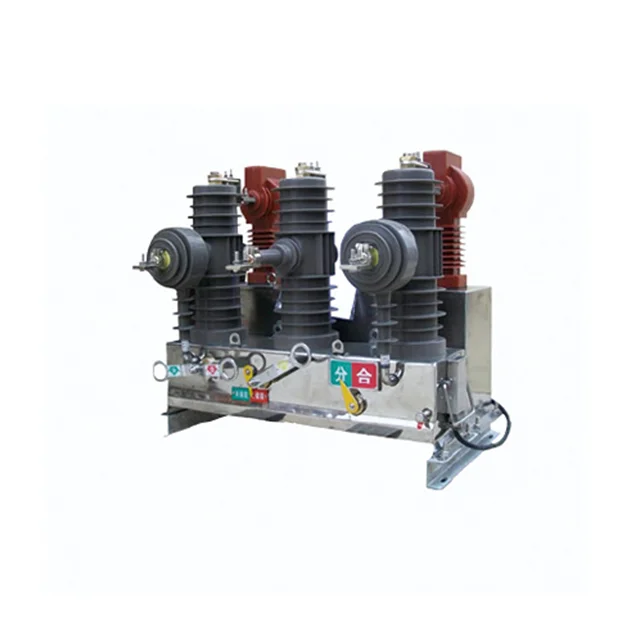
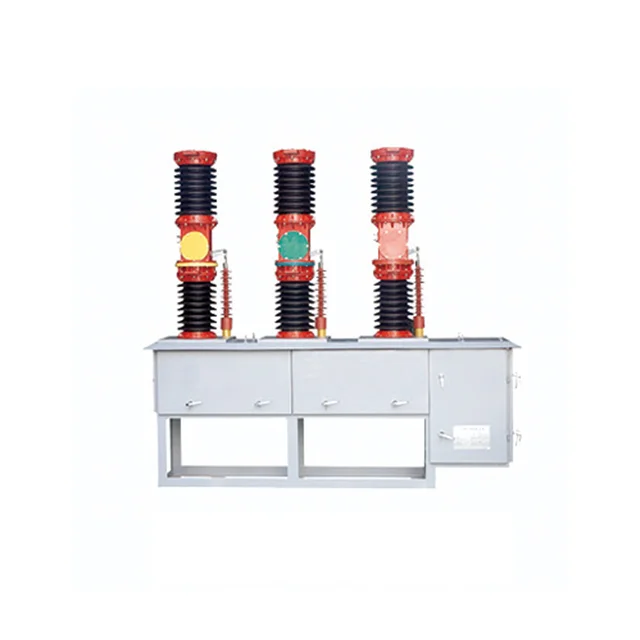
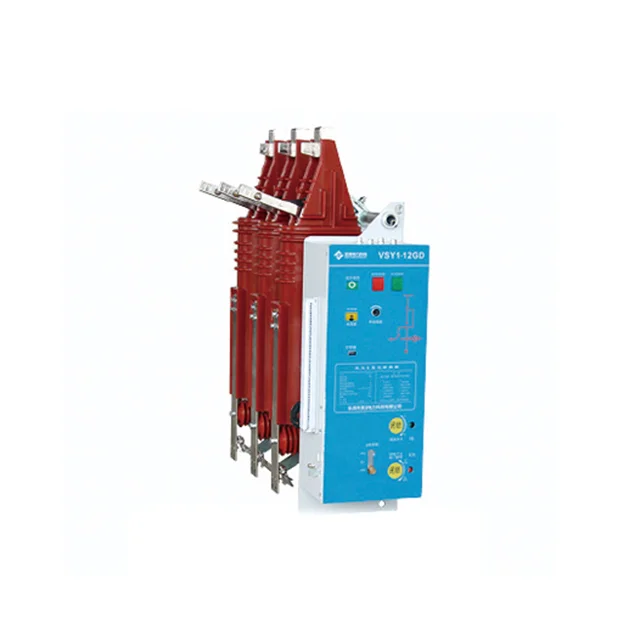
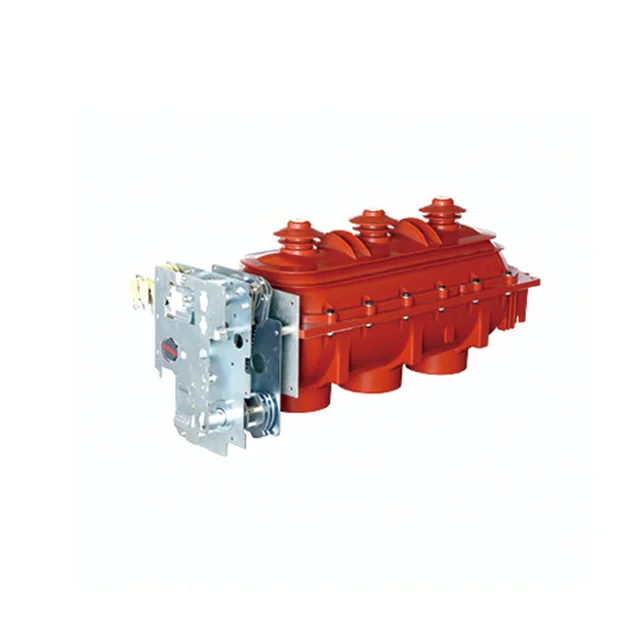
| Outdoor pole-mounted VCB | Overhead line sectionalising and reclosing | Solid insulation, optional isolator, FTU controller for automation |
| SF6 load break switch | RMU ring and transformer circuits | Three-position function, sealed epoxy shell, maintenance-free contacts |
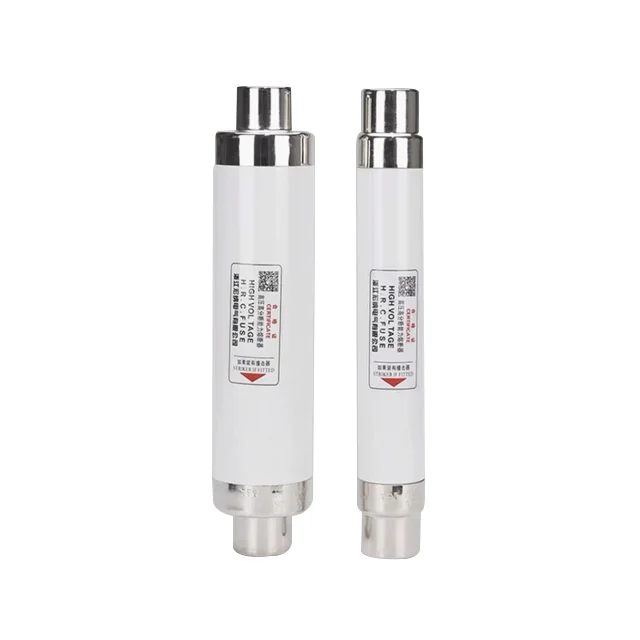
| Switch-fuse combination | Transformer protection in compact circuits | Fuse striker trips the switch, correct fuse rating and striker length |
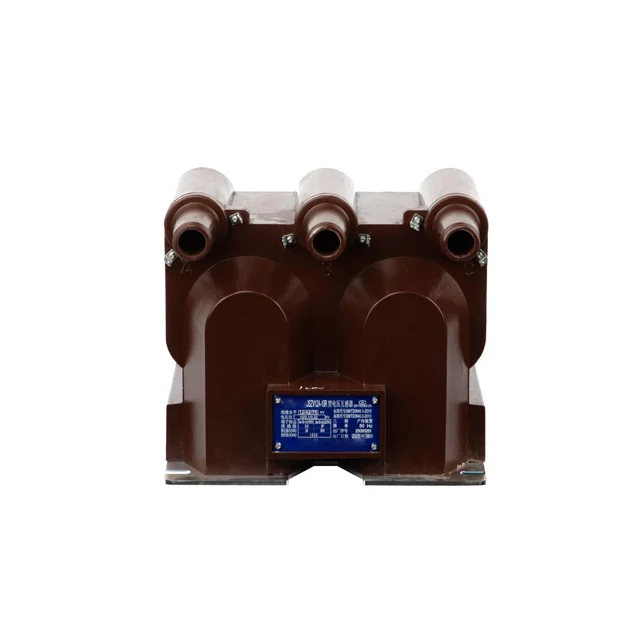
| Voltage transformer | Metering and protection signals | Ratio, burden, accuracy class and fuse protection |
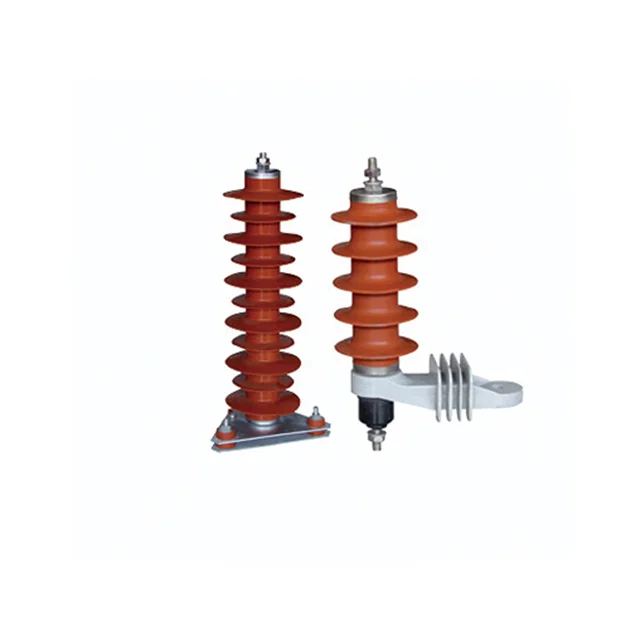
| Metal-oxide arrester | Overvoltage protection | Continuous operating voltage, nominal discharge current, creepage distance |
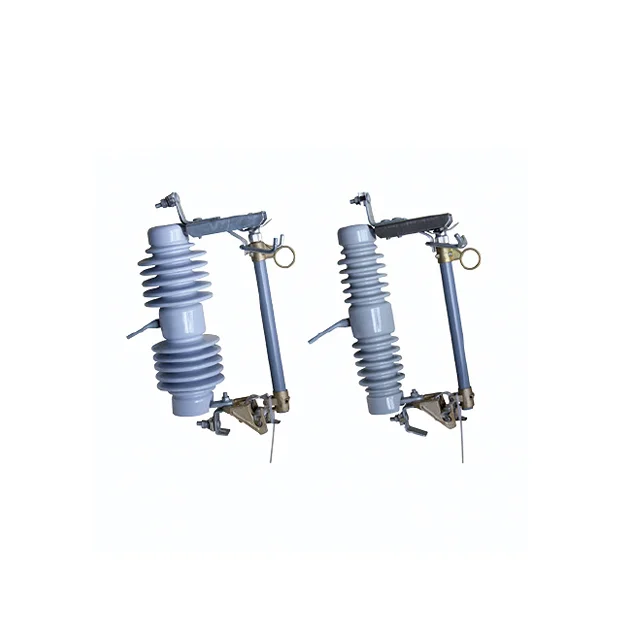
| Drop-out fuse cutout | Distribution line and transformer protection | Voltage class, insulation material, fuse link tension and duckbill contact |
4. Confirm insulation, creepage and environment
State indoor or outdoor use, pollution level, altitude, humidity and ambient temperature. Coastal, mining and chemical sites need longer creepage distance and better sealing. For outdoor units, confirm the IP rating and whether UV-resistant polymer or porcelain insulation is preferred.
5. Check protection coordination
Fuses, arresters and breakers must coordinate with upstream and downstream devices. Give the fuse curve, the breaker protection settings and the transformer inrush current so the supplier can confirm that the combination clears faults without nuisance tripping. For switch-fuse units, verify that the striker operates the tripping mechanism at the specified current.
6. Ask for the right test evidence
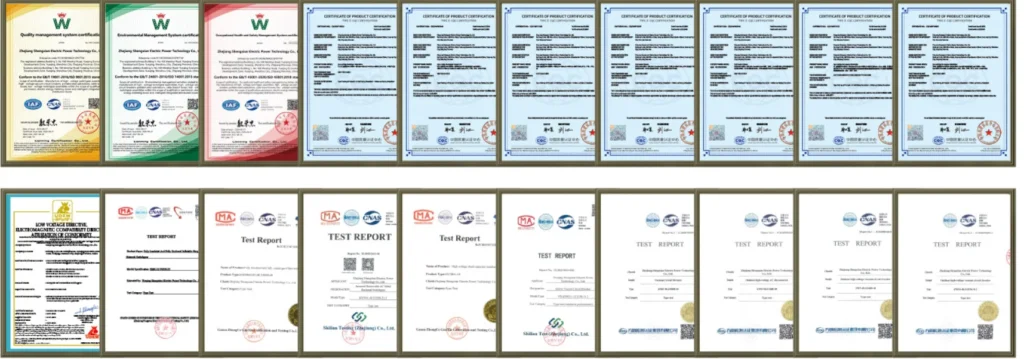
Request type-test reports for the model, routine test records for the delivered batch, and the standard applied, typically GB 1984, GB 3804, GB 11032 or the equivalent IEC publication. For components used in a certified cabinet, confirm that the component certificate is valid and covers the rating being supplied.
7. RFQ checklist
- Component type and required standard
- Rated voltage, current, breaking and withstand ratings
- Mounting and terminal interface drawings
- Control voltage and auxiliary contact requirements
- Indoor or outdoor, pollution and ambient conditions
- Protection coordination data
- Required test reports and certificates
- Quantity, spare policy and delivery date