Power Transformers for Distribution, Industry and Renewable Energy

Distribution and power transformers from 50kVA to 5000kVA for 10kV, 12kV, 24kV and 35kV networks. Choose sealed oil-immersed S11-M and S13 units, cast-resin SC(B) dry-type transformers, or pad-mounted units for solar and wind projects. Every unit is factory tested to IEC 60076 and GB 1094, with measured loss data, routine test reports and approval drawings supplied.

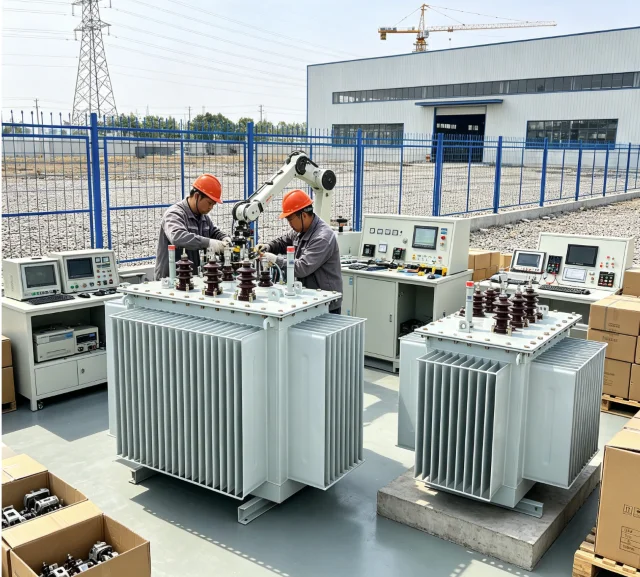
Transformer Manufacturing from Coil Winding to Final Test

We build oil-immersed and cast-resin transformers in Yueqing, China, with in-house core cutting, coil winding, vacuum casting, tank fabrication and routine testing. You receive measured loss data, approval drawings before production, and one team handling type tests, export packing and commissioning support.

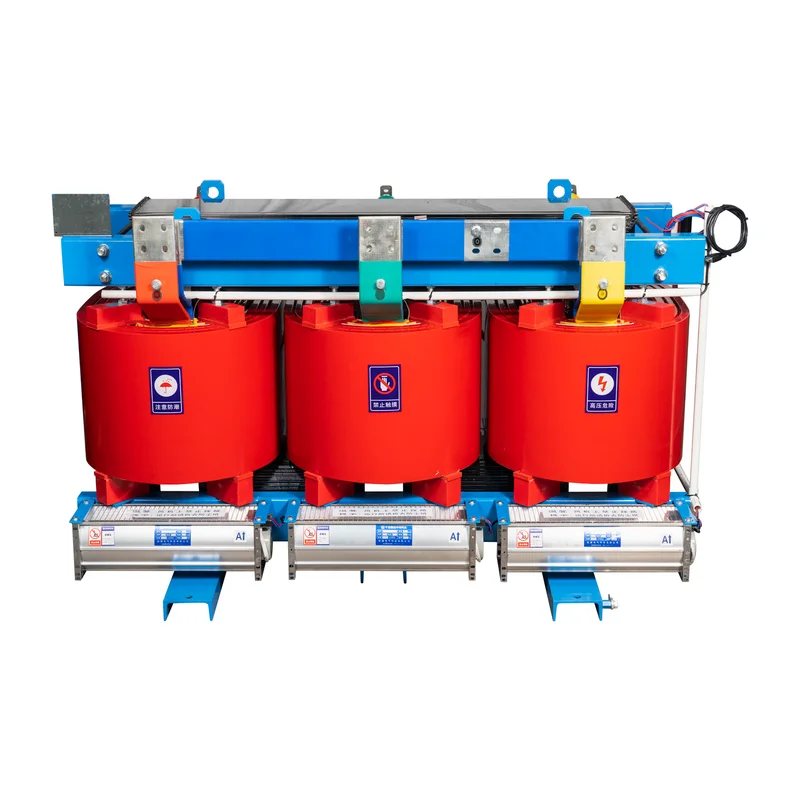
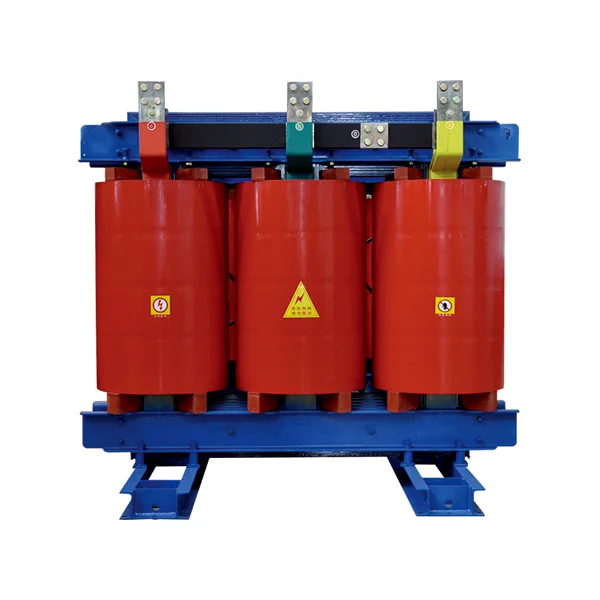
SCB Series 10kV Resin Insulated Dry Type Transformer

SCB Series 10kV Resin Insulated Dry Type Transformer

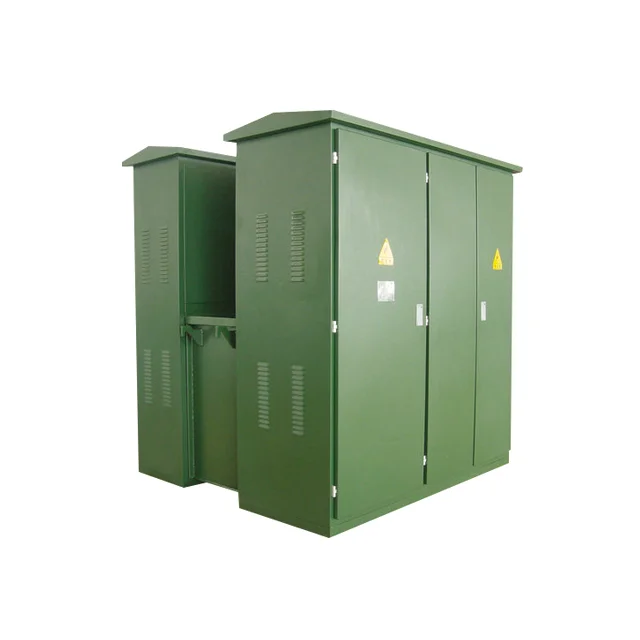
Photovoltaic _ Wind power pad-mounted transformer

Photovoltaic / Wind Power Pad-Mounted Transformer

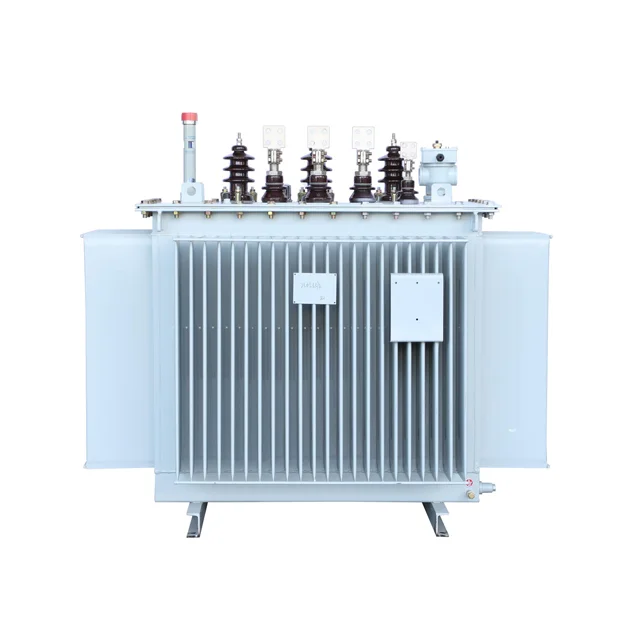
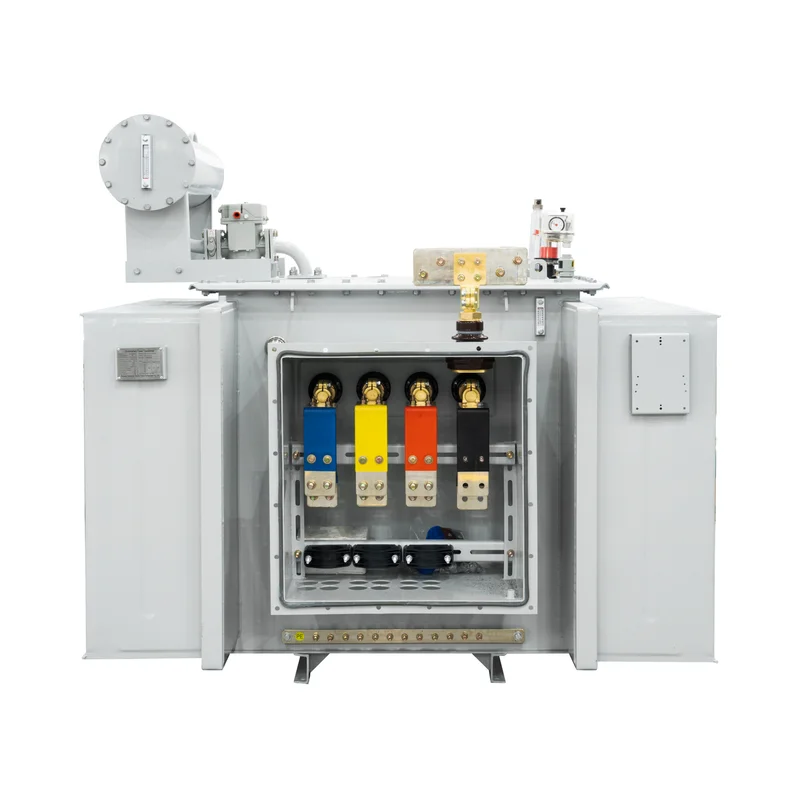
Oil-Filled Power Transformer

Oil-Filled Power Transformer | Fully Sealed Corrugated Tank

High-Efficiency Oil-Immersed Electrical Transformer--SAGE

S11-M Oil-Immersed Transformer | 3-Phase Sealed Distribution

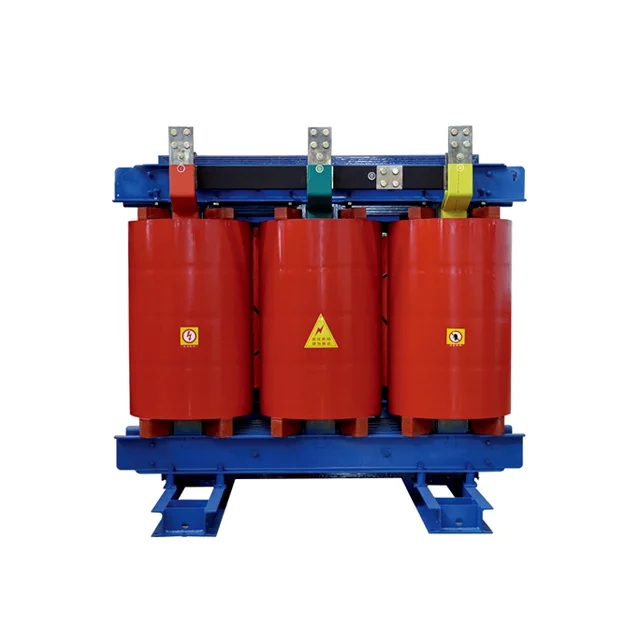
Epoxy Resin Dry Type Transformer _ Safe Indoor Power Solution

Epoxy Resin Dry Type Transformer | 50-5000kVA Cast Resin

Dry-Type Power Transformer

Dry-Type Power Transformer | SC(B)10 Cast Resin Transformer

S13 10kV Low Loss Oil Immersed Distribution Transformer

S13 10kV Low Loss Oil Immersed Distribution Transformer

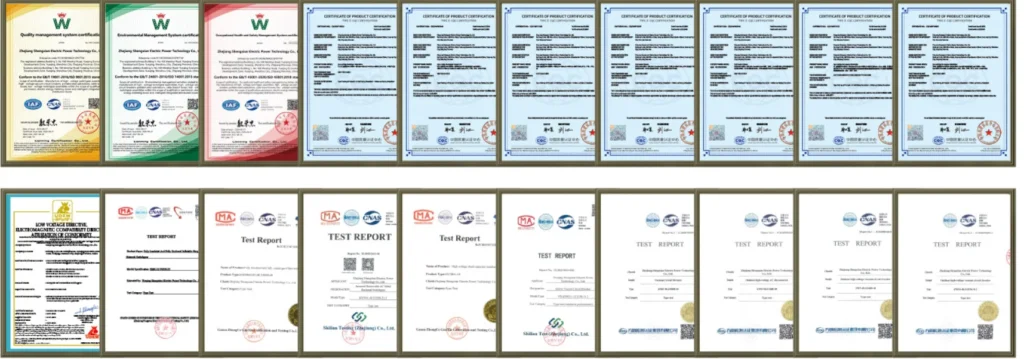
sage certifications

Certified Quality You Can Verify

Every product is backed by CQC certification, ISO 9001, ISO 14001 and ISO 45001 management systems, plus type-test and inspection reports. Certificates and routine test records can be supplied with your shipment, and third-party inspection is welcome before delivery. Clear documentation, traceable testing and consistent quality control protect your project from acceptance delays and long-term compliance risk.
Oil-Filled Power Transformer

Sealed Oil-Immersed Transformers with Corrugated Tank Cooling

S11-M and S13 three-phase distribution transformers use a fully sealed corrugated tank that replaces the oil conservator and absorbs expansion through the tank wall. Cold-rolled grain-oriented silicon steel cores and oxygen-free copper windings keep no-load and load losses low, while the sealed design reduces oil exposure and maintenance. Units are available for 50Hz and 60Hz networks, tested at the factory and supplied with loss data for energy-cost comparison.
Epoxy Resin Dry Type Transformer _ Safe Indoor Power Solution

Cast-Resin Dry-Type Transformers for Indoor and Fire-Sensitive Sites

SCB cast-resin transformers from 50kVA to 5000kVA remove insulating oil entirely. Vacuum-encapsulated epoxy windings resist moisture and contamination, keep partial discharge low and tolerate high short-circuit forces. Temperature monitoring, IP20 to IP54 enclosures and natural or forced cooling let the unit fit basements, hospitals, data centres and other indoor rooms where oil is restricted.
Photovoltaic _ Wind power pad-mounted transformer

Pad-Mounted Transformers for Solar and Wind Projects

Renewable generation needs a transformer that matches the inverter or turbine output and survives outdoor duty. Our pad-mounted units cover 6kV to 38.5kV high-voltage windings and 0.27kV to 0.4kV low-voltage outputs at 50Hz, in a locked outdoor enclosure. Factory testing, loss measurement and project-specific vector groups support grid-connection studies and EPC schedules.

Power Transformer Buying Guide | Rating, Losses and Type Selection

1. Fix the electrical rating before comparing prices

Start with the load study and the single-line diagram, then confirm:

  • Rated capacity in kVA, with continuous and peak load
  • Primary and secondary voltage, including the tap range needed
  • Rated frequency: 50Hz or 60Hz
  • Vector group and neutral arrangement
  • Impedance percentage required by the fault-level study
  • Indoor or outdoor installation and ambient temperature range

Two quotations for the same kVA can hide very different core grades, conductor sections and loss figures. Fix the rating first, then compare the data sheet line by line.

2. Choose oil-immersed or dry-type construction

TypeTypical useKey considerations
Sealed oil-immersed (S11-M, S13)Outdoor distribution, pad-mounted and pole-mounted projectsCorrugated tank cooling, no conservator, low loss, lowest cost per kVA
Cast-resin dry-type (SCB)Indoor rooms, basements, hospitals, data centres, fire-sensitive sitesNo insulating oil, low partial discharge, IP20 to IP54 enclosures, higher cost
Pad-mounted renewable unitsSolar and wind step-up stations6kV to 38.5kV HV windings, 0.27kV to 0.4kV LV, outdoor enclosure

Choose dry-type when oil leakage, fire load or indoor ventilation rules make oil unacceptable. Choose sealed oil-immersed units when efficiency and first cost dominate and the unit can be installed outdoors or in a ventilated chamber.

3. Compare losses over the life of the unit

No-load loss runs 24 hours a day; load loss follows the load curve. Ask for guaranteed no-load loss, load loss and impedance at rated capacity, and calculate the capitalized cost using your energy price and expected loading. A unit with a lower purchase price but higher losses can cost more within a few years. Confirm the reference temperature and the measurement method used for the loss figures.

4. Specify taps, impedance and vector group

State the off-circuit or on-load tap range, usually plus or minus 5% or two taps of 2.5%. Confirm the impedance that the protection study assumes, because a different value changes fault levels and breaker settings. Give the vector group, for example Dyn11, and confirm how the neutral is earthed. For parallel operation, taps and impedance must match the existing units.

5. Confirm tests, standards and documentation

Our transformers are designed and tested to IEC 60076 and GB 1094. Routine tests normally cover winding resistance, ratio and polarity, impedance and load loss, no-load loss and current, and applied and induced voltage withstand. Ask whether lightning impulse, temperature rise and sound-level tests are required as type or special tests, and whether a third-party witness is needed. Documentation should include the data sheet, outline drawing, nameplate details and routine test report.

6. Plan transport, foundation and commissioning

Check total mass, dimensions, lifting points and oil volume for transport and crane planning. For oil-immersed units, confirm whether the transformer ships oil-filled or with oil separate. Allow for a level foundation, cable or busbar entry, earthing terminals, fire separation and ventilation for dry-type units. On arrival, check impact recorder data, insulation resistance, ratio and tap position before energising.

7. RFQ checklist

  1. Rated capacity, primary and secondary voltage, frequency
  2. Vector group, impedance and tap range
  3. Oil-immersed or dry-type, indoor or outdoor
  4. Enclosure or tank finish, IP rating and ambient conditions
  5. Required losses, efficiency class and energy cost data
  6. Standards, type tests and inspection scope
  7. Terminal arrangement, cable or busbar entry
  8. Quantity, destination port and required delivery date

A complete RFQ lets the factory confirm the design, loss guarantees and delivery schedule without repeated drawing revisions.
Get a Tailored Quote

Share your drawing, voltage, current and quantity. Our engineers will confirm the configuration and send a clear quotation, usually within 24 hours. OEM customization is welcome.

Product Guides and Industry Insights

Explore practical guides, product comparisons and application notes across our power distribution range. Find clear advice on product selection, installation and maintenance to support your next project.
+86-19518180868 Phone linda@cnsagepower.com E-mail Chat on WhatsApp WhatsApp