LV Switchgear Buying Guide | Current, Form and Protection
1. Fix the busbar current and short-circuit rating
The main busbar current follows the transformer or the incoming supply, and the short-circuit rating follows the fault level at the cabinet. Both must be stated before the panel is designed, because they set the busbar section, the breaker rating and the internal clearance. A cabinet built for 2500A cannot be extended to 4000A by adding a breaker.
2. Choose fixed, drawout or modular construction
| Type | Advantages | Typical use |
|---|---|---|
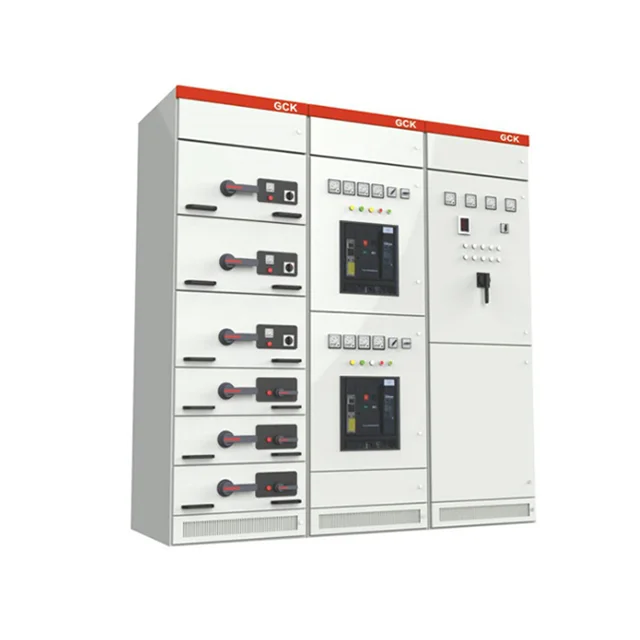
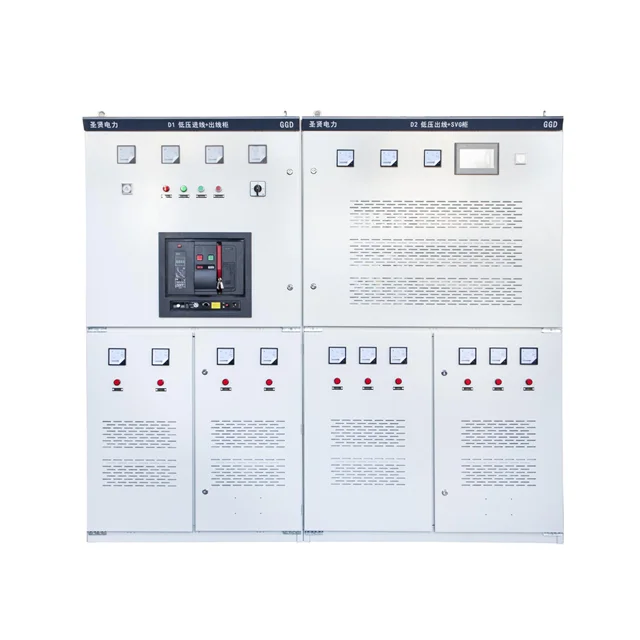
| GGD fixed | Simple, robust, lowest cost | Distribution boards, motor control, utility plants |
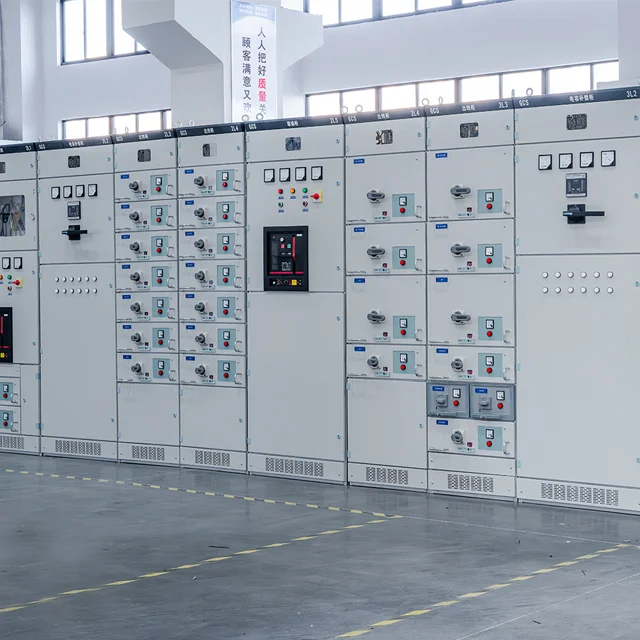
| GSC drawout | Breaker cassette removes for service | Main LV distribution, critical loads |
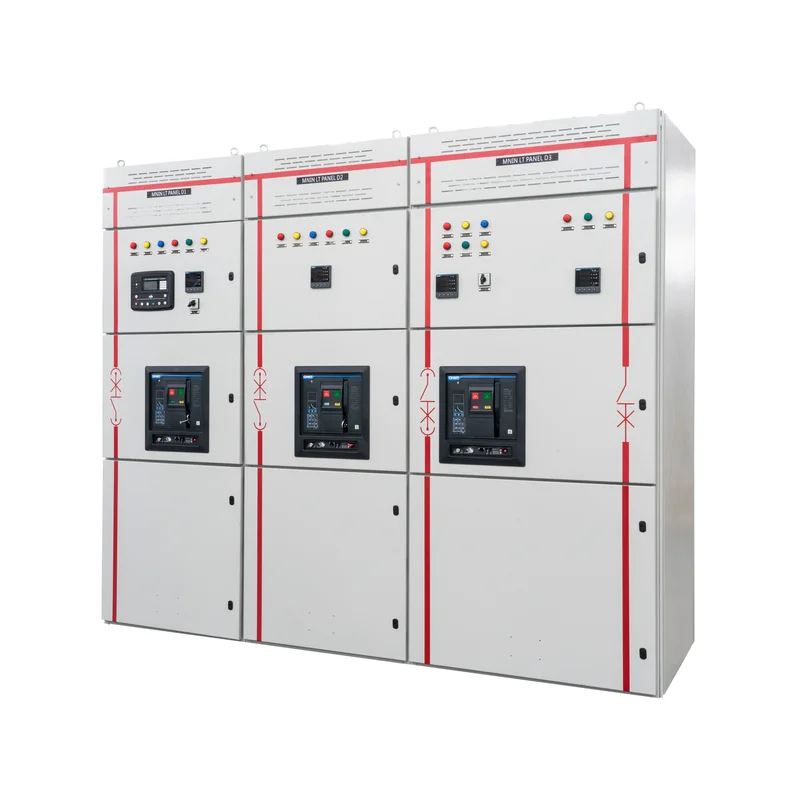
| AC fixed modular | 8MF frame, flexible layout | General industrial distribution |
| GGJ compensation | Capacitor steps for power factor | Plants with reactive load and PF penalty |
Drawout gear costs more but lets a breaker be replaced without isolating the whole board. Fixed gear is simpler and cheaper where downtime is acceptable.
3. Select the form of separation
Form 2 separates the busbar from the functional units; form 3 also separates the functional units from each other; form 4 separates the terminals as well. Higher forms reduce the risk of an internal fault spreading but need more space and cost more. Choose the form from the operation and maintenance policy, not by default.
4. Specify breakers, metering and control
State the breaker brand and model, the trip units, the metering class and the communication protocol. Confirm the CT ratio and burden for the meters, the control voltage, the interlock scheme and the space for future feeders. Good labelling and a clear terminal list matter as much as the hardware.
5. Confirm cable entry, ventilation and labelling
Confirm whether cables enter from the top or bottom, the number and size of glands, and the bending space inside the cabinet. Capacitor and reactor cabinets need ventilation for the heat loss. Every feeder should be labelled with its circuit, rating and source, and the drawing should match the panel as built.
6. RFQ checklist
- System voltage, busbar current and fault level
- Fixed, drawout or modular construction
- Form of separation and IP rating
- Incoming, outgoing and compensation feeders
- Breaker brand, trip unit and metering
- Cable entry and ventilation
- Quantity, destination and delivery date
Send the single-line diagram and the load schedule and the panel layout can be confirmed in one round.