Oil-Immersed Transformer Buying Guide | Losses, Tanks and Testing
1. Fix the capacity, voltage and vector group
Confirm the load in kVA, the primary and secondary voltage, the frequency and the vector group before comparing prices. Distribution units commonly run Dyn11 at 10kV/0.4kV, but project single-line diagrams often call for other arrangements, off-circuit taps of plus or minus 5%, or a specific impedance for the protection study. State all of these in the RFQ.
2. Compare S11-M and S13 loss levels
| Series | Core and loss level | Typical use |
|---|---|---|
| S11-M | Standard low-loss grain-oriented core, sealed corrugated tank | General distribution, utilities, industrial plants |
| S13 | Lower no-load loss, higher-grade core, sealed tank | Projects with strict efficiency or loss capitalization |
The price gap between the two series is small compared with the cost of no-load loss over 20 years. Calculate the capitalized loss with your energy price and loading profile before choosing on first cost alone.
3. Check the tank and sealing system
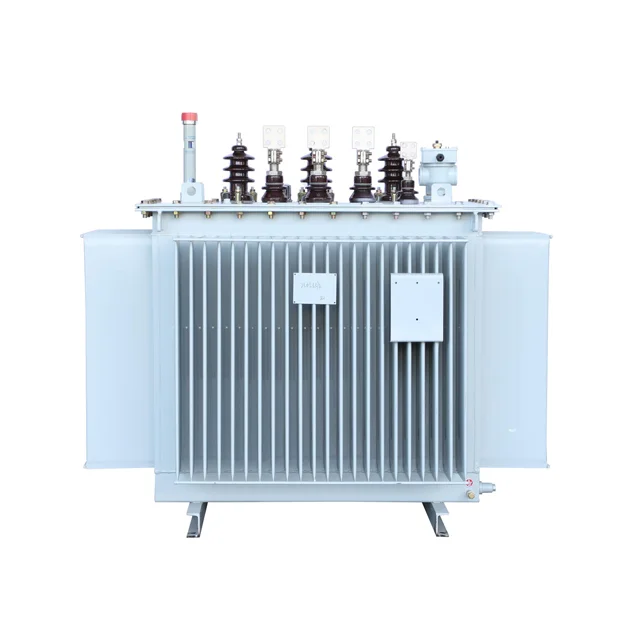
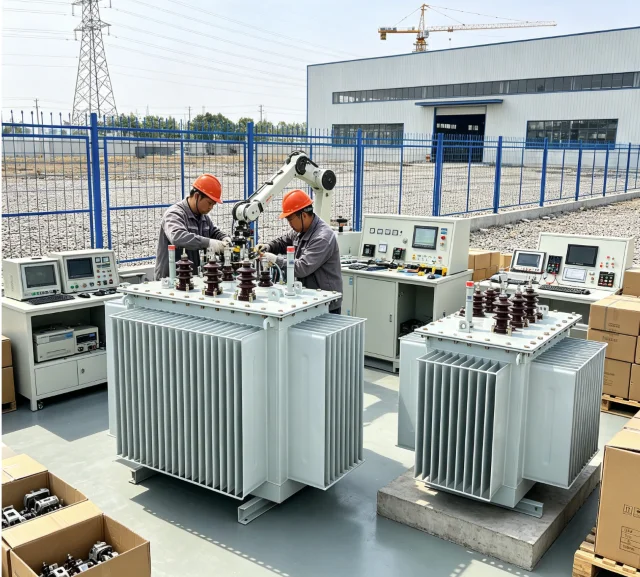
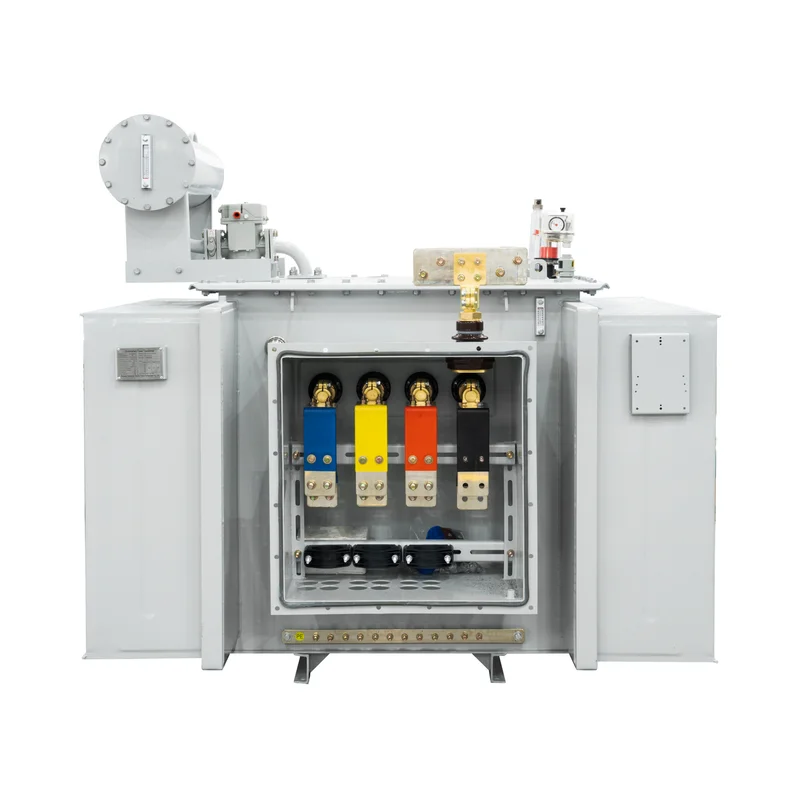
A sealed corrugated tank replaces the conservator and isolates the oil from air, which slows oil ageing. Ask how the tank is welded, how it is pressure-tested and whether the unit ships oil-filled or with oil separate. Confirm the tank finish, the corrosion protection class and the lifting and jacking points against the transport plan.
4. Confirm cooling and installation conditions
Most distribution units are ONAN cooled. Where the unit sits in a small chamber or the ambient is high, confirm the permitted temperature rise and whether extra radiators or forced cooling are needed. For outdoor installation check the enclosure, the cable box and the clearance to walls and other equipment.
5. Agree tests and documentation
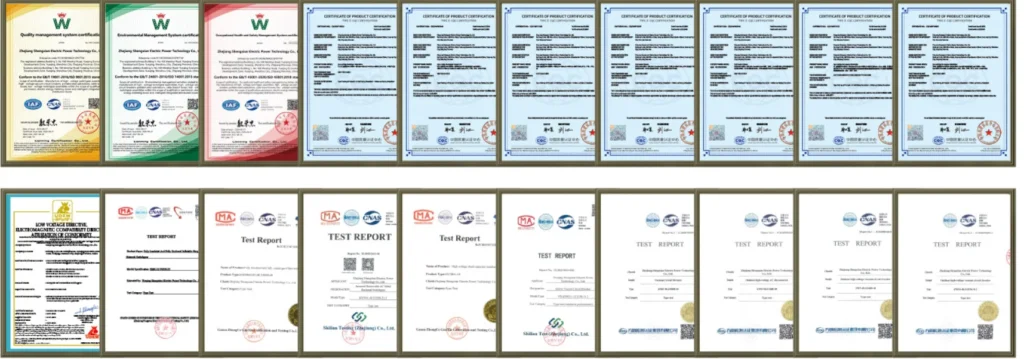
Routine tests normally cover winding resistance, ratio and polarity, impedance and load loss, no-load loss and current, and applied and induced voltage withstand. Lightning impulse, temperature rise and sound level are type or special tests. Ask for the routine test report, the loss data and the outline drawing, and confirm whether a third-party witness is required.
6. RFQ checklist
- Rated capacity, voltages, frequency and vector group
- Impedance and tap range
- S11-M or S13 loss level, efficiency target
- Indoor or outdoor installation, ambient temperature
- Tank finish, cable box and earthing arrangement
- Standards, test scope and witness inspection
- Quantity, destination port and delivery date
With these inputs the factory can confirm the design, the guaranteed losses and the shipping plan in one round.