HV Fuse Link Buying Guide | Rating, Curve and Coordination
1. Read the transformer or line rating first
The fuse link protects a specific load: a distribution transformer, a capacitor bank or a line section. Start from the rated current and the magnetising inrush of that load, then check the link curve. A link chosen only by the transformer kVA can nuisance-operate on inrush or fail to clear a secondary fault.
2. Select the link current and curve
| Link type | Characteristic | Typical use |
|---|---|---|
| K curve | Faster operating, general protection | Distribution transformers and line sections |
| T curve | Slower operating, higher overload tolerance | Loads with high inrush or cyclic overload |
| DIN / BS types | Dimension and curve set by the local standard | Replacement in existing European-style holders |
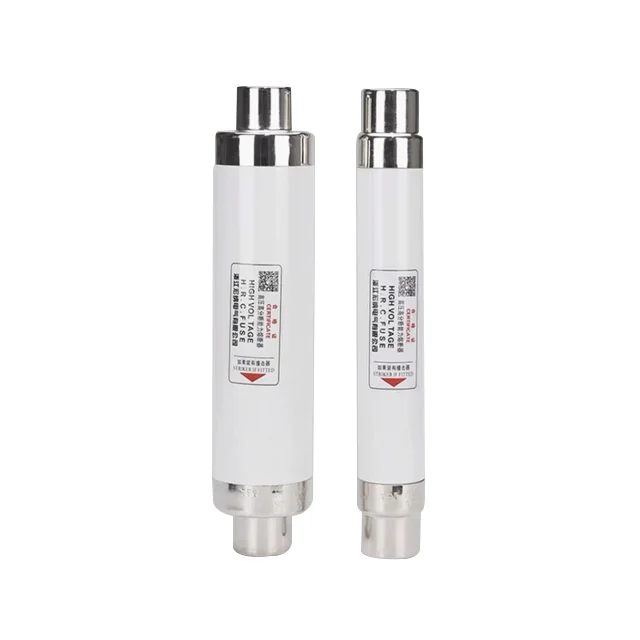
Confirm the link length, diameter and end-cap type against the holder, because a link that is mechanically loose runs hot and operates early.
3. Coordinate with upstream and downstream protection
The link must clear a fault before the upstream recloser or breaker trips, and it must not operate for a downstream fault that a secondary device should clear. Plot the link curve against the transformer damage curve and the upstream device curve. Where the margin is thin, change the link rating or the upstream setting rather than accepting a poor overlap.
4. Check the holder interface and dimensions
Measure the holder contacts and the link length, and confirm the rated voltage and current marking. A link from a different standard may fit physically but sit at the wrong position in the arc chute, which changes the operating behaviour. When replacing links in an existing line, match the original standard and curve type.
5. Confirm marking, tests and storage
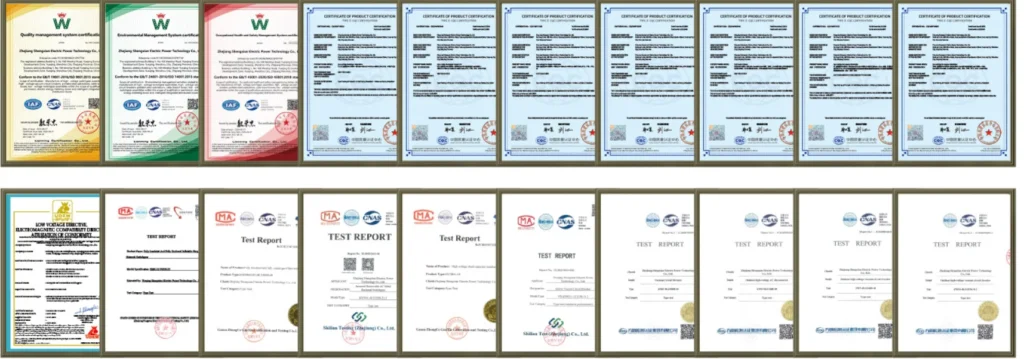
Each link should be marked with its rated current, voltage and curve type. Batch tests cover resistance and operating time; ask for the test record when the link is part of a protection scheme. Store links in a dry place and replace any link with a damaged body or corroded cap.
6. RFQ checklist
- System voltage and protected equipment rating
- Required link current and curve type
- Holder standard and dimensions
- Upstream and downstream protection settings
- Indoor or outdoor, pollution and humidity
- Quantity and spare policy
- Destination and delivery date
Send the transformer data and the holder type and the matching link can be confirmed in one round.