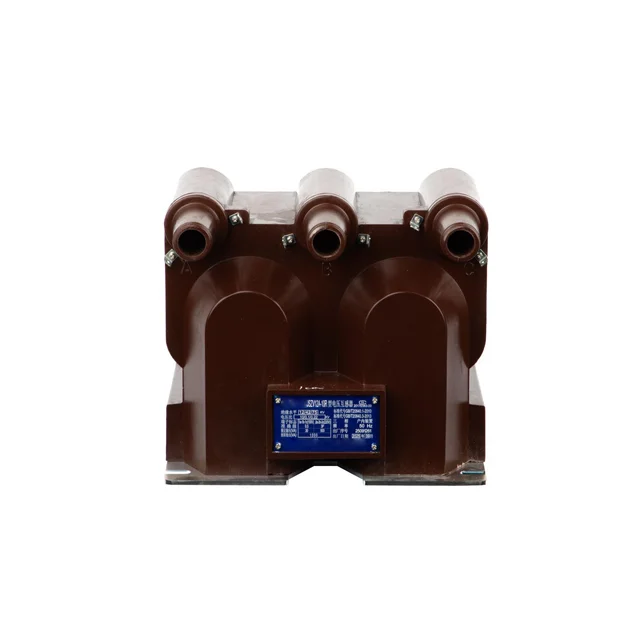
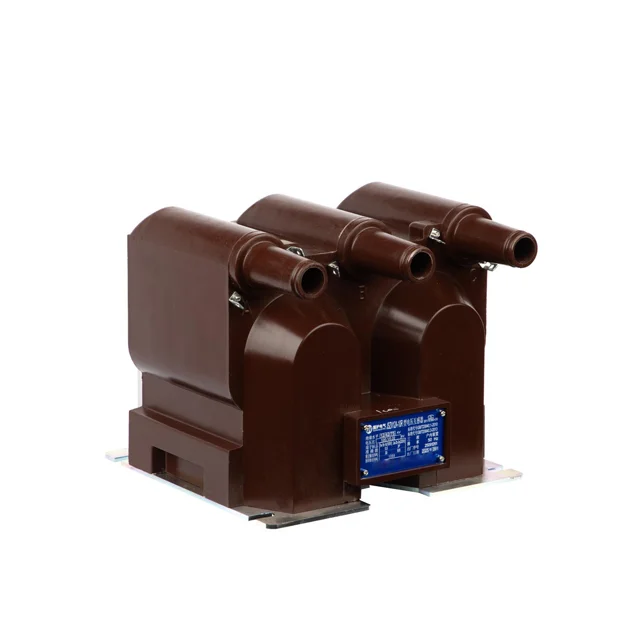
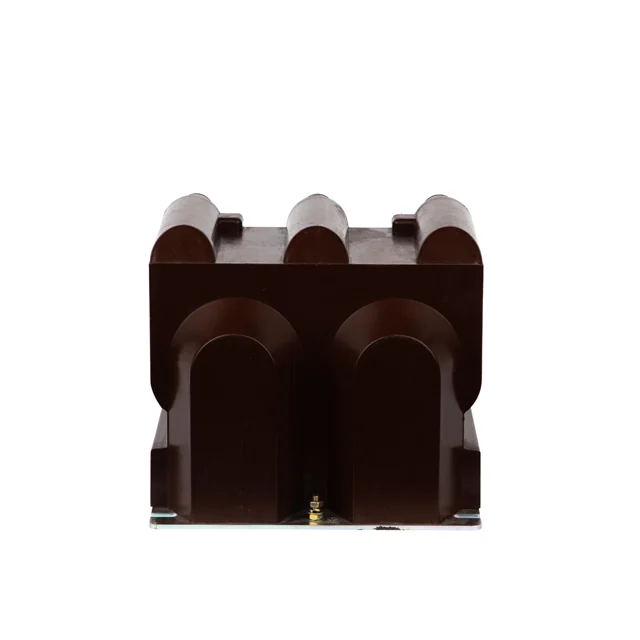
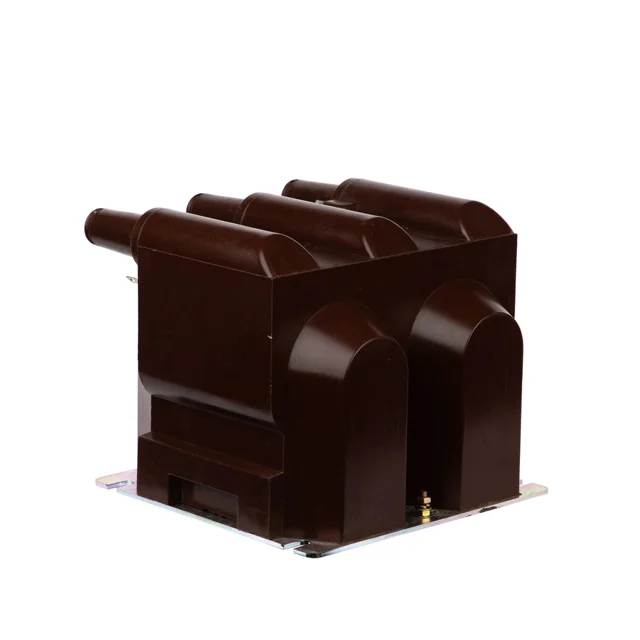
Overview
The voltage transformer is an indispensable core device in modern power systems, engineered to bridge the gap between high-voltage power networks and low-voltage measurement and protection equipment. As a critical link in ensuring safe and efficient power distribution, it operates by precisely converting high voltage to a manageable low voltage, enabling accurate data collection for meters and reliable triggering for protection devices.
Unlike ordinary transformers, its design prioritises stability, precision and safety in high-voltage scenarios, making it a cornerstone for both residential and industrial power infrastructure. Whether integrated into switchgear cabinets or paired with substation equipment, it delivers consistent performance that power system operators depend on.
Key Features
- Precision voltage conversion for measurement — precisely converts high voltage to a manageable low voltage so meters collect accurate data and protection devices trigger reliably.
- Epoxy resin cast insulation — creates a non-conductive, moisture-resistant barrier around the internal components, preventing electrical arcing, leakage and short circuits even under high-voltage stress.
- High insulation performance in a compact size — making it ideal for installation within switchgear cabinets of various voltage levels.
- Indoor power system integration — specifically designed for indoor use, thriving in controlled environments where it delivers consistent performance.
- Environmental protection — the epoxy casting also protects the transformer from humidity, extending its lifespan while maintaining safe operation.
- Metering compatibility — supports most standard low-voltage metering equipment used in power systems, with a stable voltage output that ensures consistent signals regardless of meter brand or model.
Technical Specifications
| Product type | Epoxy insulated voltage transformer |
|---|---|
| Insulation | Epoxy resin casting |
| Installation environment | Indoor |
| Primary function | Voltage conversion for measurement and protection |
| Insulation properties | Non-conductive, moisture-resistant, arc and leakage resistant |
| Mounting | Inside switchgear cabinets or with substation equipment |
| Compatibility | Standard low-voltage metering equipment |
Applications
- Indoor power system integration — integrated into central power distribution systems for commercial buildings, industrial plants and public facilities, providing the precision needed for large-scale power management.
- Switchgear cabinets — the compact size and high insulation performance suit installation within switchgear cabinets of various voltage levels, enhancing the cabinet’s ability to monitor and protect the power flow.
- Substation equipment matching — pairs with substation transformers, circuit breakers and other equipment to ensure voltage levels are accurately measured and controlled throughout the distribution process.
- Industrial electrical systems — used in manufacturing plants, mining operations and other industrial settings to support precise monitoring of power usage and protect production equipment from voltage abnormalities.
Installation Conditions
- An indoor environment is required, free from severe dust, corrosive gases or strong mechanical vibrations.
- Mount the transformer in a location with adequate ventilation to maintain stable operating conditions.
- Installation should be performed by qualified technicians to ensure proper wiring and alignment with other system components.
- Where specialised meters are used, the output can be adjusted to suit the metering scheme.
How to Select
- The system voltage and the required secondary output for your metering and protection scheme.
- Whether the transformer is to be mounted inside a switchgear cabinet or with substation equipment.
- The accuracy class required by your measuring instruments.
- The compatibility requirements of the low-voltage metering equipment in use.
- The indoor environment conditions, including dust, corrosive gas and vibration levels.
FAQ
What installation requirements should be considered?
The voltage transformer requires an indoor environment free from severe dust, corrosive gases, or strong mechanical vibrations. It should be mounted in a location with adequate ventilation to maintain stable operating conditions, and installation should be performed by qualified technicians to ensure proper wiring and alignment with other system components.
Is the voltage transformer compatible with all types of metering equipment?
It is designed with compatibility in mind, supporting most standard low-voltage metering equipment used in power systems. Its stable voltage output ensures that meters receive consistent signals regardless of the brand or model. For specialised meters, the output can be adjusted to suit the metering scheme.
How does epoxy resin casting insulation enhance safety?
The epoxy resin casting creates a non-conductive, moisture-resistant barrier around the transformer's internal components. This insulation prevents electrical arcing, leakage, and short circuits, even when exposed to high-voltage stress. It also protects the transformer from environmental factors like humidity, extending its lifespan while maintaining safe operation.
Where is the voltage transformer typically installed?
It is designed for indoor power system use — integrated into central power distribution systems for commercial buildings, industrial plants and public facilities, installed inside switchgear cabinets, or paired with substation transformers and circuit breakers.
Can it be used in industrial facilities?
Yes. It is widely used in manufacturing plants, mining operations and other industrial settings, where it supports precise monitoring of power usage and protects expensive production equipment from voltage abnormalities.
What makes it suitable for switchgear cabinets?
Its compact size and high insulation performance make it ideal for installation within switchgear cabinets of various voltage levels, enhancing the cabinet's ability to monitor and protect the power flow.
Request Quote
Tell us your specifications, quantity, or application scenario and we will reply with a tailored quote.