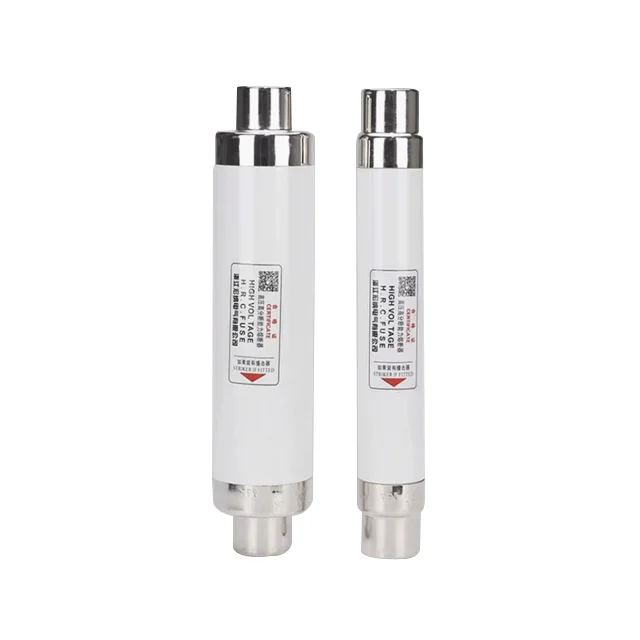
Overview
The fuse element is the replaceable current-carrying and melting part used in a high-voltage drop-out fuse cutout. It carries the normal load current of the circuit and melts when the current rises above the rated value, allowing the fuse tube to fall and visibly open the circuit.
Because a drop-out cutout clears a fault by the fuse tube falling under its own weight, the way the element is installed has a direct effect on whether the cutout operates correctly. The installation points below are the practical requirements that determine reliable operation.
Key Features
- Replaceable element — the element is the serviceable part of the cutout, so a cutout that has operated can be returned to service by fitting a new element.
- Correct tension for cool contacts — the element should be pulled tight so that it is under roughly even left-and-right tension; an element that is not pulled tight will easily cause the contacts to heat up.
- Firm mounting — the fuse should be mounted firmly and reliably on the crossbar frame, with no shaking or rocking.
- Downward fuse tube inclination — the fuse tube should be inclined downwards so that it can fall quickly by its own weight when the element melts.
- Correct duckbill contact length — the contact length of the duckbill tongue should be more than two thirds of the buckle, so that the cutout does not drop out falsely during operation.
Technical Specifications
| Product name | Fuse element (fuse link) for high-voltage drop-out fuse cutout |
|---|---|
| Function | Carries normal load current and melts on overcurrent, allowing the fuse tube to drop and open the circuit |
| Application | High-voltage drop-out fuse cutouts in overhead distribution systems |
| Installation tension | Element pulled tight so that it is under approximately even left-and-right tension |
| Mounting | Fuse mounted firmly and reliably on the crossbar frame, without shaking or rocking |
| Fuse tube position | Downward inclination so the tube falls by its own weight |
| Height above ground | Vertical distance from the ground to the crossbar frame is subject to the project installation standard |
| Clearance above a distribution transformer | When installed above a distribution transformer, horizontal clearance to the outer contour of the transformer must be maintained so a falling fuse cannot cause other accidents |
| Duckbill contact length | More than two thirds of the duckbill tongue buckle; the fuse must not be topped against the duckbill |
| Net weight and dimensions | As per the ordered cutout and element rating |
Applications
- Overhead distribution lines — protection of medium voltage overhead feeders.
- Distribution transformer protection — installed on the crossbar frame above or near a distribution transformer, where the horizontal clearance requirement applies.
- Rural and urban distribution networks — where visible, easily replaced fault protection is needed.
- Utilities and electrical contractors — the drop-out action gives a visible fault indication and simplifies maintenance work.
Installation Conditions
- Pull the element tight so that it is under approximately even left-and-right tension. An element that is not tight will easily cause the contacts to heat up.
- Mount the fuse firmly and reliably on the crossbar frame, without any shaking or rocking.
- Give the fuse tube a downward inclination so that the tube can fall down quickly by its own weight when the element melts.
- Keep an adequate vertical distance from the ground to the crossbar frame. Where the cutout is installed above a distribution transformer, maintain the required horizontal clearance from the outer contour of the transformer so that a fuse falling off cannot cause other accidents.
- Adjust the element length so that the duckbill tongue closes with a contact length of more than two thirds of the buckle. This avoids a false drop-out in operation.
- Do not top the element against the duckbill, otherwise the melted element may not fall in time after it melts.
How to Select
- Rated voltage and rated current of the cutout the element is to be fitted to.
- The rated current of the element, matched to the protected transformer or feeder.
- Fuse tube length and duckbill geometry, so that the closed contact length can be set correctly.
- Ambient and installation conditions — a cutout above a transformer needs the horizontal clearance checked before ordering.
- Whether a spare set of elements is required for maintenance stock.
FAQ
Why does the element have to be pulled tight?
If the element is not pulled tight so that it is under approximately even left-and-right tension, it will easily cause the contacts to heat up.
Why must the fuse tube be inclined downwards?
The downward inclination lets the fuse tube fall down quickly by its own weight when the element melts, so the cutout opens the circuit as designed.
How much contact length should the duckbill tongue have?
The duckbill tongue should close with a contact length of more than two thirds of the buckle. Anything less risks a false drop-out in operation.
Can the element be topped against the duckbill?
No. The element should not be topped against the duckbill, otherwise the melted element may not fall in time after it melts.
What clearance applies when the cutout sits above a distribution transformer?
The horizontal distance to the outer contour of the distribution transformer must be maintained, so that if the fuse falls off it cannot cause other accidents.
How is the fuse mounted on the crossbar frame?
The fuse should be mounted firmly and reliably on the crossbar frame, without any shaking or rocking.
Request Quote
Tell us your specifications, quantity, or application scenario and we will reply with a tailored quote.